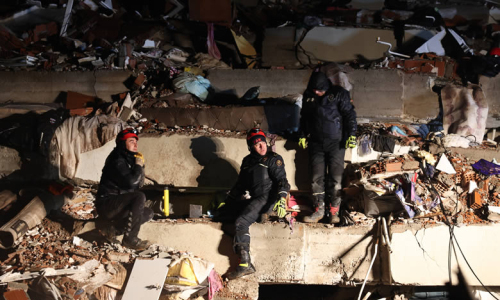
# Venezuela's Twin Earthquakes Kill Nearly 1,500, Displace Millions
Venezuela faces a humanitarian crisis following dual earthquakes that killed approximately 1,430 people and displaced millions of residents. Initial US aid flights began arriving in Caracas, though humanitarian organizations warn that millions lack access to sanitation, clean water, and shelter.
The disaster triggered public backlash against Venezuela's emergency response. US-backed interim leader Delcy Rodriguez addressed criticism by stating the nation "is not alone," signaling international support as the government struggled to manage relief operations.
The scale of displacement creates urgent legal and administrative questions. Venezuelan authorities must now coordinate with international organizations on refugee status, humanitarian access, and disaster relief distribution. The International Committee of the Red Cross and United Nations agencies typically invoke disaster protocols that obligate receiving governments to facilitate aid delivery and ensure non-discriminatory assistance.
Rodriguez's reference to US backing adds political complexity. The Trump and Biden administrations previously recognized opposition leader Juan Guaidó as Venezuela's legitimate president, creating competing claims to sovereignty and aid authority. However, Rodriguez's acknowledgment of external support suggests pragmatic acceptance of US humanitarian intervention despite broader geopolitical tensions.
Displaced populations face legal exposure. Venezuela's economic collapse and governmental dysfunction may limit capacity to issue emergency identity documents or track missing persons. Many displaced residents lack documentation needed to access aid, employment, or cross-border relief services. The absence of functioning civil registries compounds trauma and creates barriers to legal remedies for property loss and death compensation.
International humanitarian law requires Venezuela to permit unimpeded aid access and protect vulnerable populations regardless of political affiliation. Organizations delivering relief have immunity under UN protocols, though Venezuela's history of restricting NGO operations creates implementation risks.
The disaster underscores Venezuela's institutional breakdown. Basic emergency response, casualty management, and supply chain logistics require functional administration that the government demonstrably lacks. Long