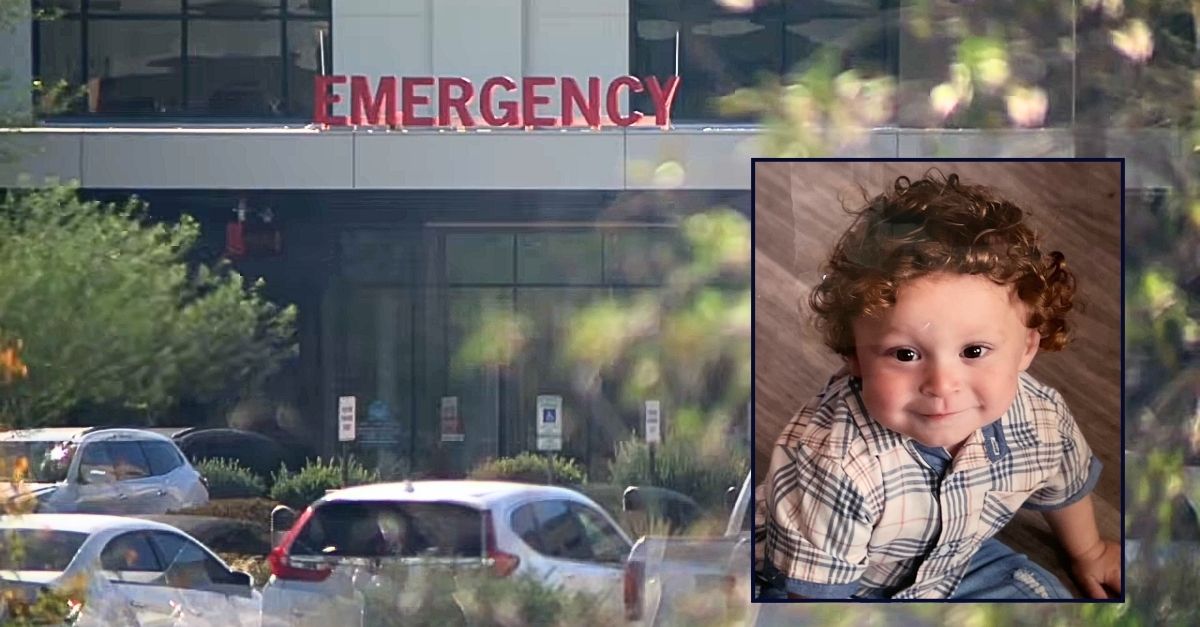
Arizona police have recommended criminal charges against the parents of Vincent Fiordilino following a drowning incident that resulted in the child being declared dead and then discovered alive in a morgue.
The toddler drowned in a pool while his parents were attending a party and not actively supervising him. Emergency responders recovered Vincent from the water and transported him to a medical facility, where physicians initially pronounced him deceased. The child was then placed in a morgue.
Staff at the morgue discovered Vincent alive during subsequent procedures, prompting immediate medical intervention. The discovery raised serious questions about the initial determination of death and the circumstances surrounding the drowning itself.
Police investigators focused their inquiry on parental negligence and the failure to provide adequate supervision. The parents' absence from the pool area during the incident forms the foundation of the police recommendation for charges. Arizona law imposes a duty on parents and guardians to exercise reasonable supervision of minor children, particularly in dangerous environments like swimming pools.
The case implicates both negligent supervision statutes and potentially child endangerment provisions under Arizona law. Charges could range from child abuse to negligent homicide depending on prosecutorial discretion and the specific facts the state presents to a grand jury.
The incident also raises medical liability questions. The initial misdiagnosis of death and failure to detect vital signs before placement in a morgue may expose medical personnel and the facility to separate civil litigation. Standards of care in emergency medicine and proper death determination procedures likely become central issues in any malpractice claims.
This case underscores the intersection of parental responsibility, emergency medical protocols, and criminal liability. The recommendation for charges reflects law enforcement's conclusion that the parents' conduct fell below the minimum threshold of reasonable care required to protect a dependent child from foreseeable harm in a hazardous setting.