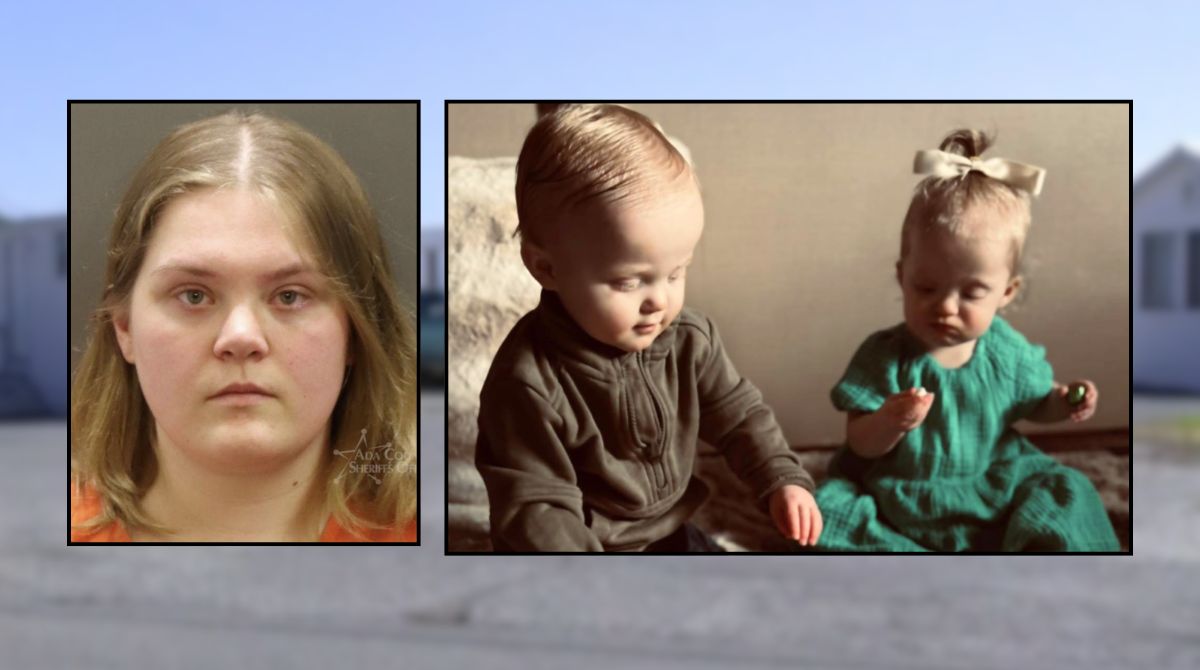
A mother facing investigation into the deaths of her 18-month-old twins claimed vaccines caused their deaths, but police have indicated her account lacks credibility. The mother, identified as Shaw, publicly attributed the simultaneous deaths of both children to routine vaccinations administered days before she discovered them dead.
Law enforcement challenged Shaw's narrative, suggesting she requires a different explanation for the twins' deaths. The skepticism reflects investigative findings that contradict her vaccine-blame theory. Police statements indicate the simultaneous death of both children at the same developmental stage raises questions inconsistent with vaccine-related adverse events, which typically present individually and with identifiable clinical markers.
The case involves potential criminal charges, as simultaneous unexplained deaths of multiple children trigger mandatory investigation into possible neglect, abuse, or other criminal conduct. Investigators examine medical records, autopsy findings, and the circumstances surrounding discovery of the bodies to determine actual cause of death.
Shaw's public statements blaming vaccines complicate the investigation by establishing a public narrative. This creates evidentiary considerations regarding her knowledge, consciousness of guilt, or deflection from other causes. The timing of vaccinations versus death, the medical conditions present at time of death, and toxicology results become critical evidence.
The case intersects with broader legal questions about parental responsibility, medical causation, and criminal liability when multiple children die unexpectedly. If investigators establish negligent or intentional conduct by Shaw, charges could include involuntary manslaughter, child abuse resulting in death, or failure to provide necessities.
Public health implications emerge as well. Vaccine misinformation used as a cover narrative undermines vaccination confidence while potentially obstructing justice. Prosecutors may introduce Shaw's vaccine-blame statements as consciousness of guilt evidence if autopsy and medical findings point elsewhere.
The investigation remains active. Actual cause of death determination depends on medical examiner findings and scene investigation. Shaw's credibility,