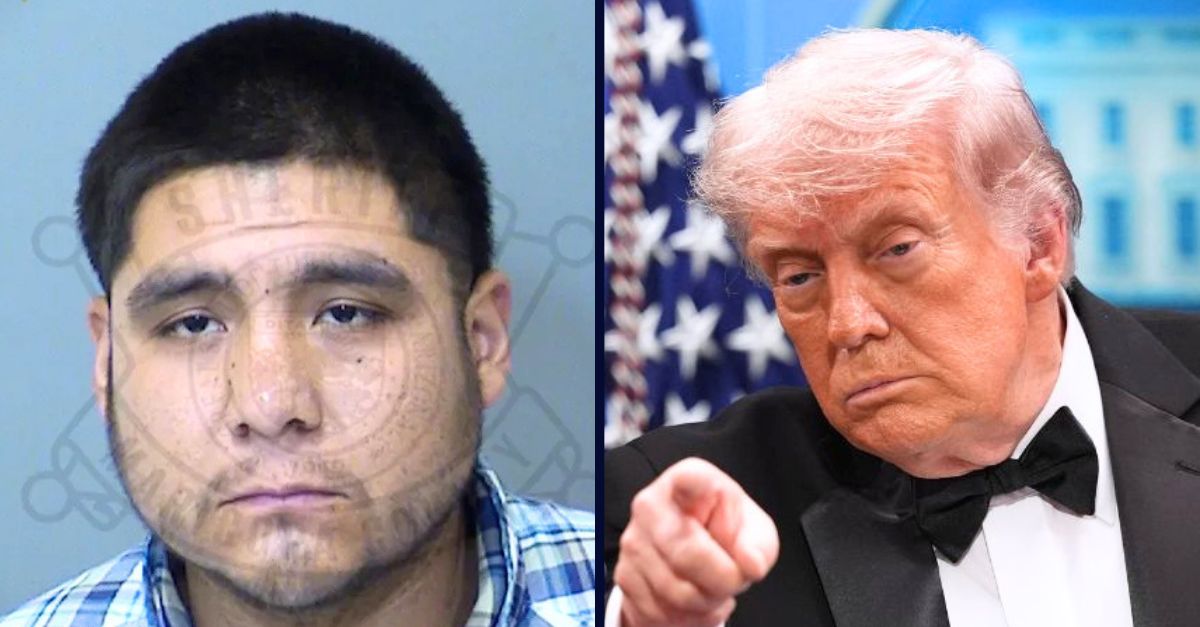
An Arizona man faces criminal charges after threatening to kill a local sheriff and subsequently requesting presidential immunity from Donald Trump, according to law enforcement. Deputies arrested the suspect following his public threats against the sheriff and his subsequent appeal to Trump for protection from prosecution.
The case highlights an emerging legal problem in the post-Trump era. Since Trump's return to public prominence, defendants across the country have invoked presidential immunity arguments in their own criminal matters, mimicking the legal strategies advanced in Trump's federal cases. This defendant's approach represents an extreme application of that strategy, combining violent threats with a direct plea for executive clemency.
Under federal law, threats against law enforcement officers constitute serious federal crimes under 18 U.S.C. Section 115, which prohibits threats against federal, state, and local officials. State charges likely include terroristic threats and possibly criminal conspiracy depending on Arizona's penal code.
Presidential clemency and immunity operate differently. Presidential immunity protects a sitting president from civil liability for official acts taken within the scope of presidential authority. That doctrine has no application to ordinary citizens accused of threats or violence. Clemency is a separate power allowing a president to pardon, commute, or reduce sentences for convicted individuals, but it cannot retroactively immunize someone from prosecution.
The defendant's request appears to misunderstand constitutional law fundamentally. Trump cannot grant immunity to private citizens for state or federal crimes through executive order. A president possesses no authority to immunize individuals from prosecution for threatening violence against sheriffs or other officials.
Arizona law enforcement has jurisdiction over threats made against the sheriff. Federal charges may apply if the threats crossed state lines or involved federal systems. The case will proceed through Arizona's criminal courts initially, where prosecutors must prove the defendant made specific threats with intent to intimidate or harm the sheriff.
This incident demonstrates how politicization of legal concepts like immunity creates confusion among defendants and complicates criminal proceedings. Courts