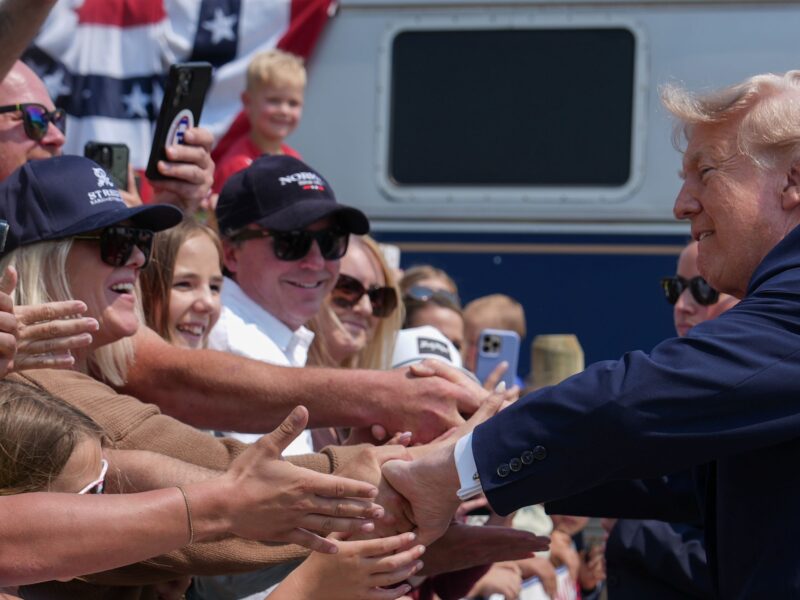
Donald Trump has launched a aggressive fundraising operation for Republican Senate candidates despite constitutional term limits barring him from seeking another presidency. The former president began raising money shortly after securing a second term and regularly hosts fundraisers at his resort properties, where individual tickets command $1 million.
Trump's fundraising strategy reflects his continued influence over Republican electoral politics. He successfully backed candidates in recent primary contests, shaping the party's Senate slate according to his preferences. The question now centers on how much financial support he will direct toward general election races.
The fundraising apparatus operates through Trump's resort venues, creating a direct pipeline between political contributions and Trump's business interests. Attendees paying $1 million per ticket gain access to high-dollar donor events where campaign strategy and candidate support are discussed.
This structure raises questions about coordination between Trump's personal financial interests and his political activities. Federal election law permits individuals to contribute to candidates and super PACs within specified limits, but the connection between Trump's resort fundraising and his political influence creates potential scrutiny regarding the flow of money through his businesses.
Trump's Senate candidate preferences emerged victorious during primary season, suggesting donors and party activists have aligned behind his endorsed slate. His willingness to invest campaign resources in these races could determine outcomes in competitive states. However, the extent of his financial commitment remains uncertain as the general election cycle progresses.
The dynamic illustrates how contemporary political influence operates outside traditional party structures. Rather than working through the Republican National Committee or established campaign infrastructure, Trump's personal endorsement and fundraising capacity function as independent power centers. Candidates who secured his backing gain both his political brand and access to his high-net-worth donor network.
Republican Senate candidates must navigate their relationship with Trump carefully. Full alignment satisfies his supporters but risks alienating moderate voters in purple states. Distancing creates conflict with the party's dominant force. How Trump deploys his fundraising machinery across Senate races