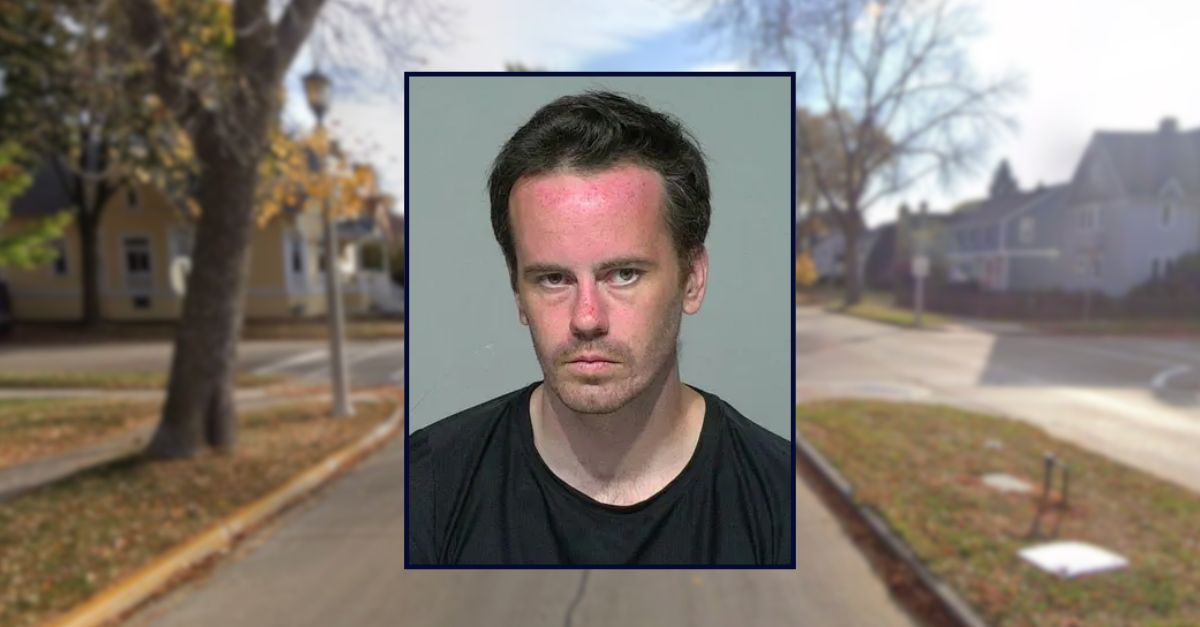
A man faces criminal charges after making bomb and stabbing threats against law enforcement and civilians during a standoff with sheriff's deputies. The suspect allegedly texted deputies "I'll stab y'all don't play games" while barricaded, then escalated threats to "I'll blow up the house."
Authorities responded to the scene after receiving reports of the threats. The man's stated motivation centered on feeling victimized, claiming he was "sick of getting picked on." During the standoff, he directed threats toward both police officers and passersby in the area.
The specific jurisdiction and charges remain under investigation, though such threats typically trigger felony prosecutions under state and federal statutes prohibiting threats against law enforcement and terroristic threats. Text communications create direct evidence of the suspect's intent and state of mind, strengthening prosecutorial cases.
This incident falls under the category of crisis situations involving armed or potentially armed subjects making imminent threats of violence. Law enforcement agencies train specialized response units called SWAT teams or crisis negotiation teams for exactly these scenarios. The use of texting during a standoff represents a modern evolution in how suspects communicate threats, providing authorities with documented evidence while potentially allowing negotiators additional time to de-escalate.
Such cases typically result in charges under statutes penalizing threats against public officials, terroristic threats, and potentially weapons violations if the suspect possessed explosives or weapons. Convictions carry substantial prison sentences, particularly when threats target law enforcement officers in the line of duty.
The suspect's mental health status may become relevant during sentencing proceedings and could support arguments for psychiatric evaluation or treatment as part of any disposition. Courts increasingly recognize that individuals making extreme threats often experience genuine psychological distress, though mental health considerations do not eliminate criminal liability.