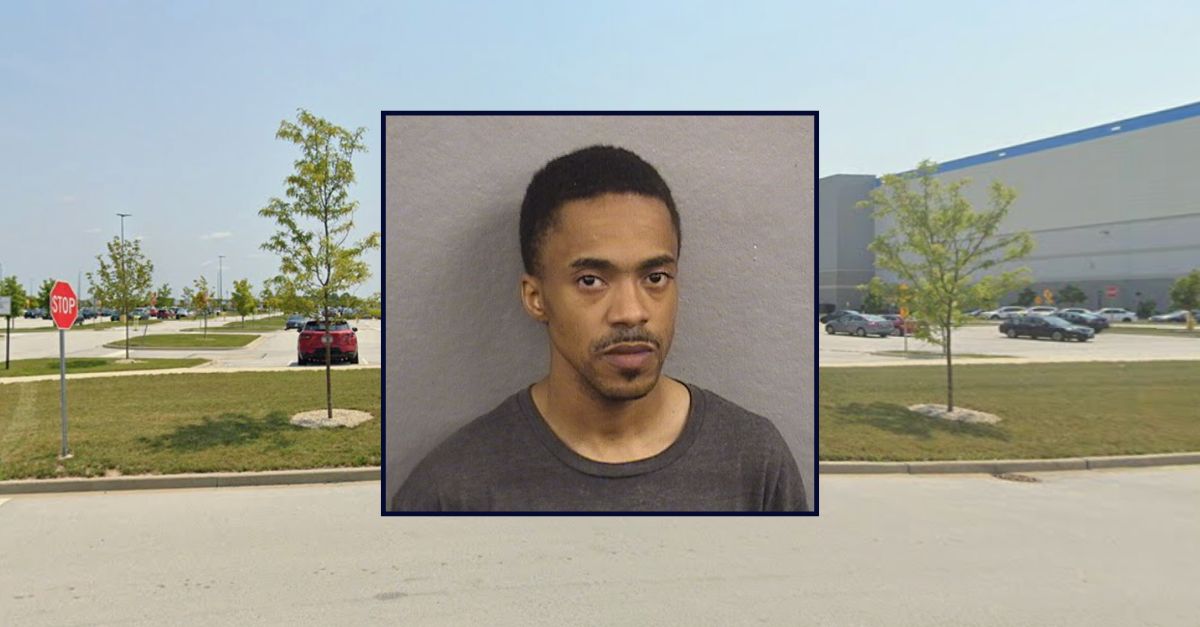
A DoorDash delivery driver has been charged with murder after allegedly shooting and killing an Amazon employee in a parking lot following a verbal dispute over a joke about the defendant's height, according to prosecutors.
The incident began when the victim made a joking comment about the defendant's stature. The remark escalated into a physical altercation in which the defendant pushed the victim twice before drawing a firearm and firing multiple shots, law enforcement reported. The defendant then fled the scene.
Prosecutors characterized the defendant's response as stemming from "emotional immaturity," suggesting the shooter could not tolerate minor social ribbing. The comment-to-gunfire escalation raises questions about the defendant's state of mind and ability to exercise restraint in confrontational situations.
The case involves fundamental criminal law principles regarding proportional force and self-defense claims. While the defendant may argue the initial joke provoked him or that he perceived a threat justifying lethal force, the prosecution's framing suggests the victim posed no legitimate danger before the shooting began. The two pushes and the defendant's decision to draw a weapon present challenges for any self-defense defense.
Specific charges, bail conditions, and the defendant's criminal history remain relevant to prosecution strategy and potential plea negotiations. The straightforward factual narrative—a minor insult sparking a fatal shooting—likely complicates jury sympathy regardless of the defendant's personal grievances about his height.
This case demonstrates how quickly minor social slights can transform into capital crimes when firearms enter the equation. Jurisdictional gun laws, the defendant's prior access to weapons, and any applicable sentencing guidelines will shape the legal proceedings. The case also highlights employment law intersections, as both parties were on the job when the encounter occurred, potentially triggering workplace-related inquiries and civil liability exposure for their respective employers depending on proximity to company property and whether company policies governed the parking lot.