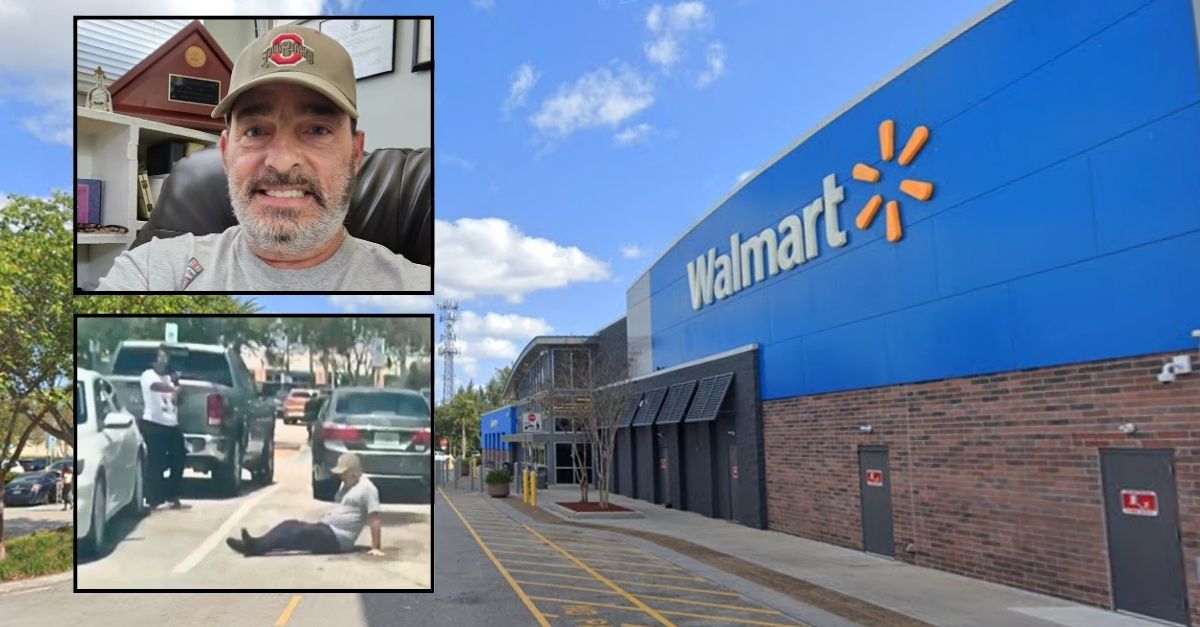
A 62-year-old Army veteran and father of three died after a woman shot him in the stomach during a parking lot altercation outside a Walmart in Florida, according to police.
The shooting erupted from a dispute over a parking spot. Officers responded to the scene and found the victim with a fatal gunshot wound to the abdomen. The woman remained at the location when police arrived.
Investigators classified the incident as a homicide. The shooting underscores the dangers of escalating confrontations over minor disputes in public spaces. Florida law permits residents to carry firearms, and self-defense claims frequently emerge in parking lot shooting cases. The state's "stand your ground" statute allows individuals to use deadly force if they reasonably believe it necessary to prevent death or serious bodily harm, without a duty to retreat.
The victim's military service adds another dimension to the case. Veterans constitute a vulnerable population for gun violence, with studies showing elevated rates of firearm-related deaths among former service members.
Prosecutors must determine whether the shooting qualifies as justified self-defense under Florida Statute Section 776.012 or constitutes manslaughter or murder. The distinction turns on whether the defendant reasonably feared imminent threat of death or serious injury during the parking spot argument. Witness accounts of who initiated physical contact and the sequence of events will prove critical to the charges pursued.
The incident reflects broader trends in confrontational shootings tied to trivial disputes. Road rage and parking lot altercations increasingly result in fatal gunfire, particularly in states with permissive gun laws and self-defense protections. Law enforcement will examine whether the defendant possessed a valid concealed carry permit and whether any prior warnings or threats preceded the shooting.
The case will proceed through Florida's criminal justice system, potentially reaching trial if the defendant contests charges. The outcome depends heavily on witness testimony, ballistics evidence, and forensic findings about the