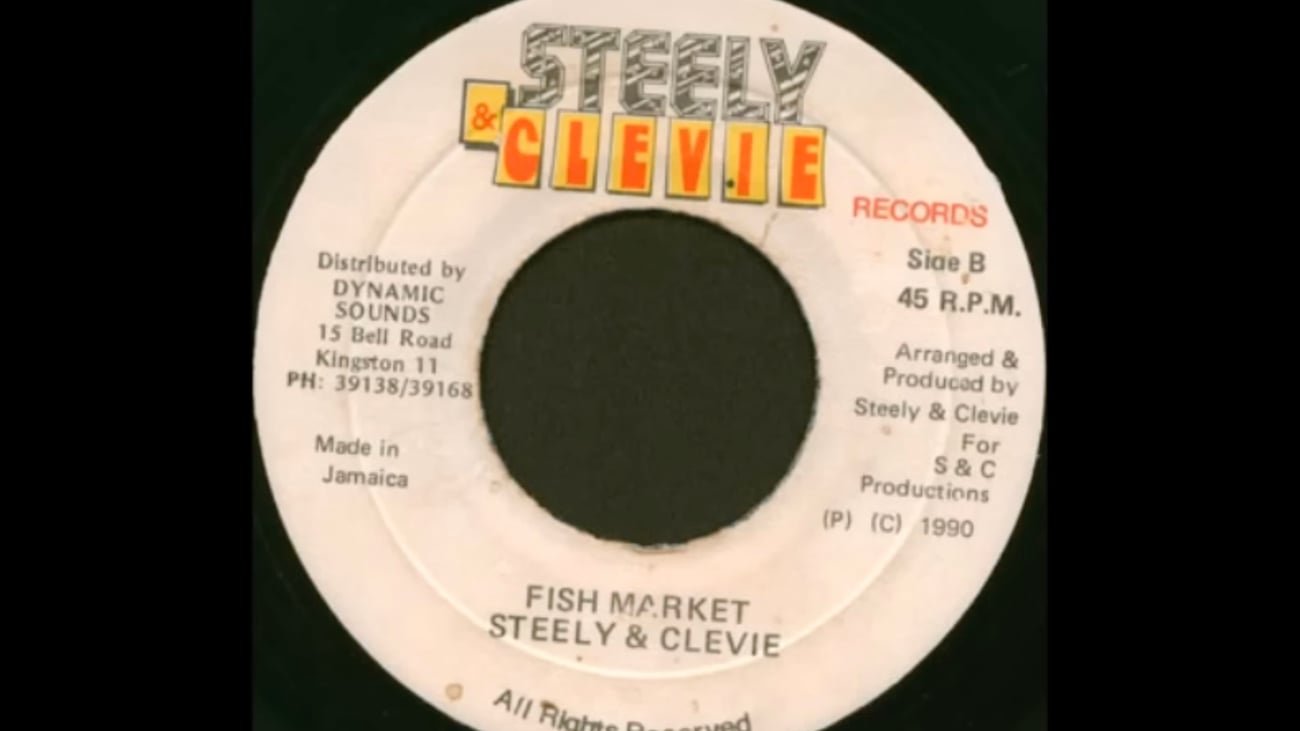
A federal judge refused to dismiss a copyright infringement case brought by Jamaican music producers against reggaeton artists who allegedly used an unoriginal 1989 instrumental track without permission.
The court determined that both parties submitted credible expert testimony regarding whether the original instrumental possessed sufficient originality to qualify for copyright protection. Because experts presented conflicting assessments on this threshold legal question, the judge declined to rule as a matter of law that the track lacked protectable expression.
This decision keeps the case alive and pushes the originality dispute toward trial or settlement. Copyright law requires that original works of authorship receive protection, but the originality threshold remains fact-intensive. Expert testimony about creative choices, musical elements, and whether those elements constitute protectable expression often determines whether a work qualifies for copyright coverage.
The reggaeton artists argued the 1989 instrumental lacked sufficient originality to merit copyright protection, attempting to avoid liability entirely. The Jamaican producers countered with expert opinions supporting the track's originality and their ownership rights.
The judge's refusal to grant summary judgment on this issue means a jury or trial court must ultimately weigh the competing expert opinions and decide whether the instrumental track qualifies for copyright protection. If jurors find the track original and protectable, the reggaeton artists face potential liability for infringement. If they find the track unoriginal or unprotectable, the artists escape liability regardless of unauthorized use.
This ruling demonstrates how copyright originality determinations often require fact-finding rather than pure legal analysis. Music industry participants face ongoing exposure when using instrumental tracks without securing clear rights from alleged owners. The case underscores that copyright disputes involving musical works frequently turn on expert testimony about creative elements and whether those elements constitute protectable expression under federal law.