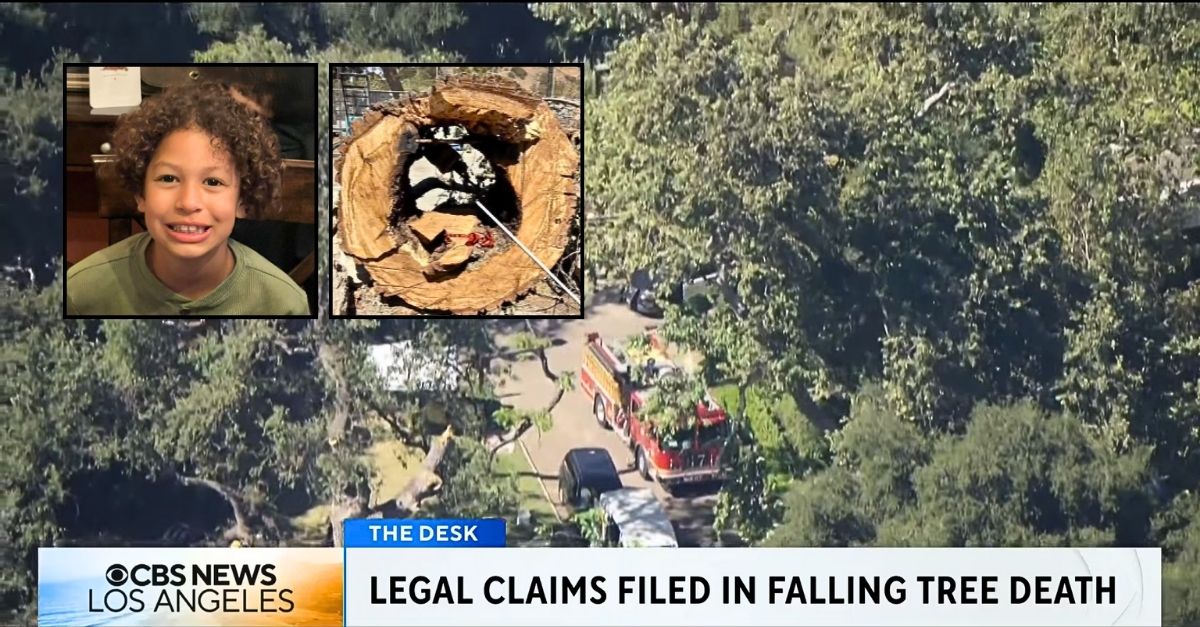
A California couple will receive a multimillion-dollar settlement after their 8-year-old son was crushed to death by a falling oak tree branch at summer camp. The parents witnessed the fatal incident.
The settlement resolves a wrongful death lawsuit alleging the summer camp had knowledge that the massive branch posed an imminent hazard to children but failed to remove or warn of the danger. Court filings indicate the camp was aware the branch was structurally compromised and at risk of falling during normal conditions.
The lawsuit centered on premises liability and negligent supervision claims. Summer camps owe campers a duty of care to maintain safe premises and identify foreseeable hazards. By failing to inspect, trim, or remove the hazardous branch despite knowledge of its unstable condition, the camp breached that duty.
The death of a minor child typically supports substantial damage awards in wrongful death litigation. Damages include the child's lost life expectancy, lost earning capacity, loss of companionship to parents, and the parents' emotional distress from witnessing the fatal accident.
This settlement reflects the severe liability exposure camps face when tree or vegetation hazards injure or kill visitors. Summer camps throughout California and nationwide now face increased scrutiny regarding grounds maintenance and arboricultural inspections. Industry experts recommend regular professional tree assessments to identify dead limbs, disease, and structural weakness.
The case demonstrates how premises liability law imposes affirmative obligations on property owners to maintain reasonably safe conditions. Knowledge of a hazard without corrective action substantially increases liability exposure, particularly when the injured party is a child unable to appreciate or avoid dangers.
The settlement amount, while undisclosed in this excerpt, likely reflects both the camp's institutional liability and insurance coverage limits. Summer camps typically maintain general liability policies, though catastrophic incidents may exceed standard policy limits, requiring additional settlement funds from the operation itself.
This wrongful