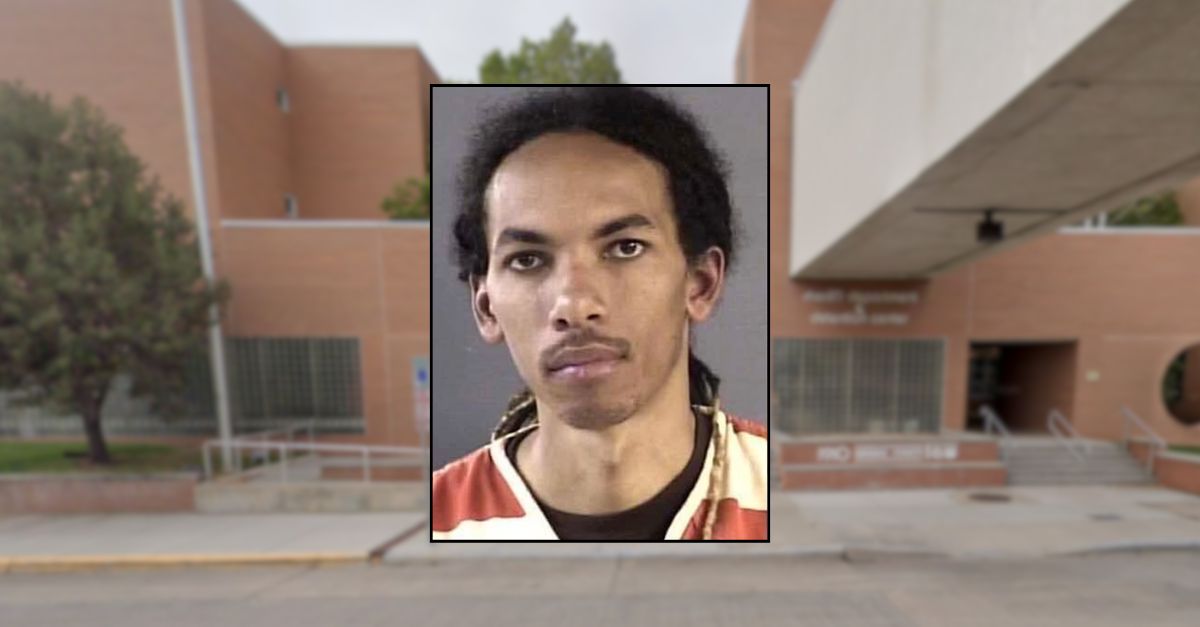
A Wyoming father faces charges after police discovered his infant son locked inside a hot Cadillac Escalade while the man repeatedly told officers the child was asleep in his home.
Officers responded to a report of a child left unattended in a vehicle. When they arrived, they found the infant inside the SUV described as "hot to the touch." The father initially denied the baby was in the car, insisting he had "just put him to sleep" indoors.
Police located the child and removed him from the vehicle. The infant required medical evaluation for heat exposure. The exact condition of the child and whether he sustained injuries from the incident remain unclear from available reports.
The father's statements to police contradicted the physical evidence officers discovered. His initial denial followed by the discovery of the infant creates a factual record supporting neglect charges. Wyoming law prohibits leaving children unattended in vehicles, particularly in conditions where heat exposure presents danger.
This case illustrates patterns in child endangerment prosecutions. Parents charged with leaving children in hot cars often face charges ranging from simple child endangerment to felony child abuse depending on injury severity and jurisdiction. Wyoming statutes address unattended children in vehicles as a criminal matter.
The father faces potential charges including child endangerment and child neglect. Prosecutors will likely rely on the officer's observations regarding the vehicle's temperature, the child's physical condition upon discovery, and the father's contradictory statements as evidence of knowing neglect or gross negligence.
Such cases frequently result in convictions based on the inherent danger of leaving infants in vehicles, where interior temperatures can spike rapidly even in moderate outdoor conditions. Vehicle interior temperatures can exceed 120 degrees Fahrenheit within minutes on warm days, creating life-threatening conditions for infants unable to regulate body temperature effectively.
The outcome depends on the child's medical findings and whether prosecutors can establish the father's knowledge that