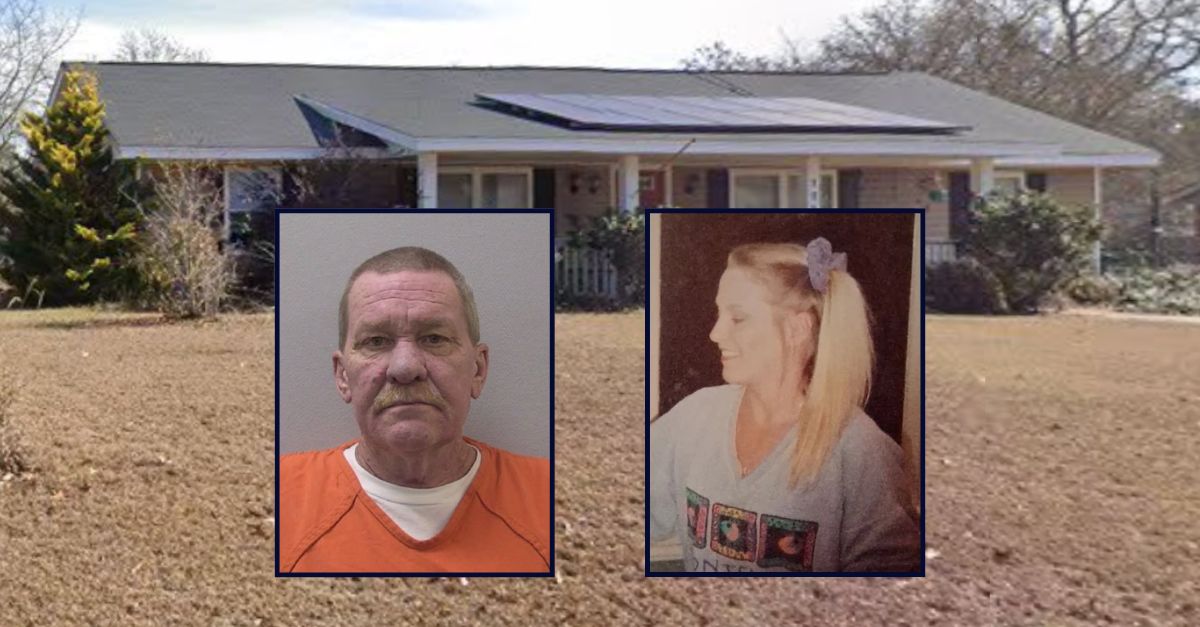
A husband discovered his wife's body on the floor and waited until the next morning to call 911, covering her with a blanket and going to sleep in the interim. The sheriff's office documented that a pathologist identified injuries across the victim's head, face, ear, chin, torso, shoulder, hip, and lower back.
The sequence of events raises questions about the husband's conduct and potential criminal liability. His decision to delay emergency contact by several hours, rather than immediately summoning aid or authorities, deviates sharply from ordinary response patterns. Most jurisdictions impose a duty to report deaths or render emergency assistance when circumstances suggest foul play or sudden death.
The injury pattern documented by the pathologist appears inconsistent with accidental death. Multiple trauma sites across the head, torso, and extremities suggest blunt force or similar deliberate infliction. This forensic finding converts what might appear an accident into a potential homicide investigation.
The husband's delay and his action of covering the body suggest consciousness of guilt or consciousness that he caused injury. These details carry evidentiary weight in criminal proceedings. Prosecutors typically argue that failure to seek immediate medical attention, combined with the covering of a body, demonstrates knowledge of criminal conduct.
The specific charges remain unclear from available information, but homicide statutes cover murder, manslaughter, and negligent homicide depending on jurisdiction and intent. Many states also charge failure to report or provide aid. Some jurisdictions impose affirmative duties for spouses to render assistance or report injuries.
The pathology findings form the medical foundation for establishing cause of death and the force applied. This evidence directly supports either murder or manslaughter charges. The timing of the 911 call and the covering of the body constitute circumstantial evidence of consciousness of guilt, admissible under most evidentiary rules.
Defense counsel will likely argue alternative scenarios, including accidental injury, but the injury