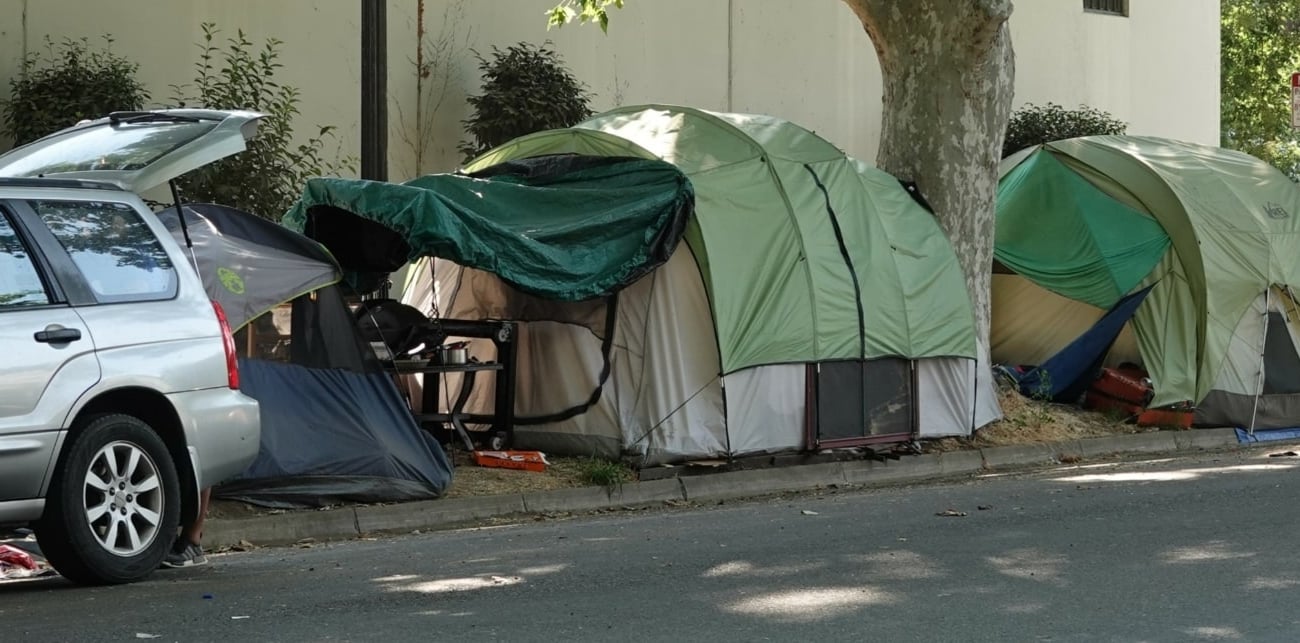
Disabled homeless individuals have sued the City of Berkeley and its shelter operators, triggering disputes over who bears responsibility for alleged Americans with Disabilities Act violations.
The lawsuit centers on accessibility failures at Berkeley's homeless shelters. Plaintiffs claim the facilities lack adequate accommodations required under the ADA, including accessible entrances, bathrooms, sleeping areas, and dining facilities for people with mobility impairments and other disabilities.
The city has moved to shift liability to the private shelter operators, arguing it lacks direct control over day-to-day facility operations and maintenance. The shelter operators counter that Berkeley, as the funding authority and policy-setting entity, bears ultimate responsibility for ensuring ADA compliance across the shelter system.
This jurisdictional dispute mirrors broader tensions in homeless services nationwide. Cities contract with nonprofits and private operators to run shelters, creating unclear accountability when civil rights violations occur. The party controlling funding claims operators control operations; operators claim cities set policies and funding determines what services they can provide.
The ADA requires public entities and their contractors to provide equal access to services and facilities. Courts have found both direct service providers and contracting municipalities liable for accessibility failures, depending on the facts and control arrangements.
For Berkeley, the outcome carries financial consequences. ADA violations can trigger damages awards, injunctive relief requiring facility upgrades, and attorney fees. The city faces pressure to either defend itself as a passive contractor or accept liability and fund shelter improvements.
For shelter operators, a finding of liability could drain resources or force service reductions. Many homeless service providers operate on thin margins and cannot absorb major remediation costs without municipal support.
The case highlights how disability access gaps persist even in progressive cities with robust homeless services. Shelters often prioritize capacity and cost-effectiveness over accessibility, leaving disabled homeless people in precarious situations. Resolution requires clearer contractual language assigning accessibility responsibility and adequate funding to meet legal obligations.