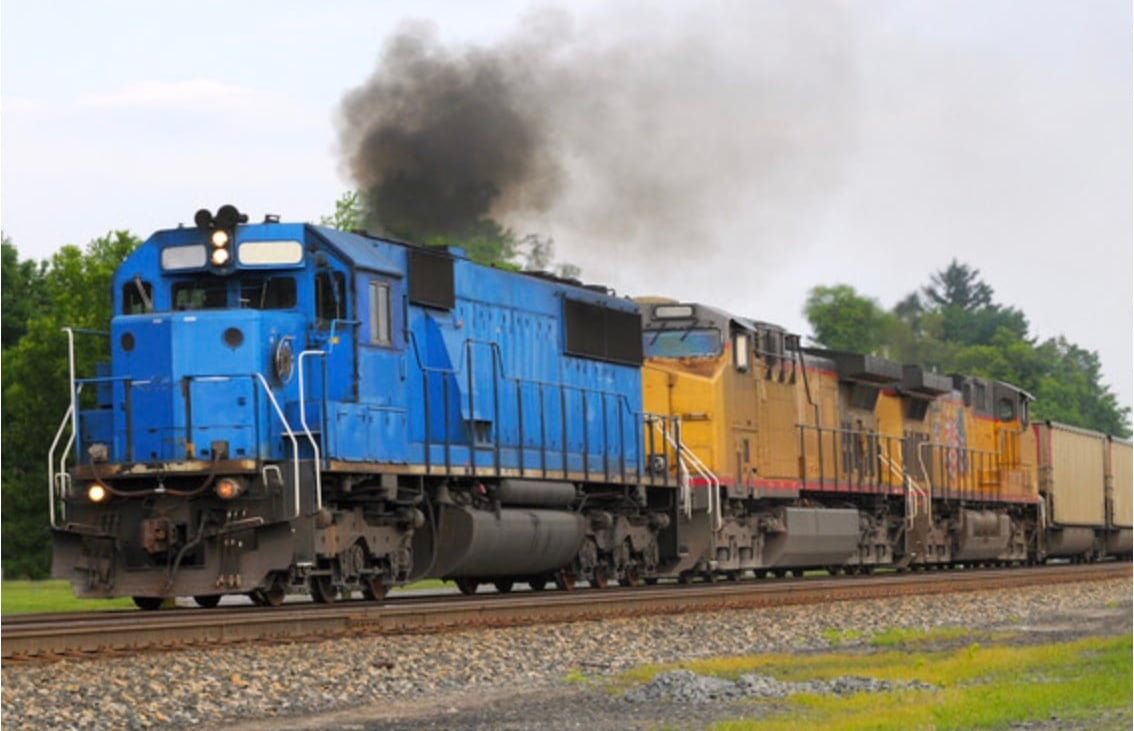
Environmental groups filed suit to halt BNSF Railway's $4 billion rail yard project in a California desert city along Route 66. The plaintiffs challenge the facility as the largest rail infrastructure development ever undertaken in the United States.
The lawsuit targets what would become the nation's premier rail distribution hub. BNSF Railway, a subsidiary of Berkshire Hathaway, designed the project to consolidate freight operations and modernize logistics infrastructure. The sheer scale of the undertaking triggered environmental review processes under the California Environmental Quality Act (CEQA) and potentially federal statutes including the National Environmental Policy Act (NEPA).
Environmental advocates assert the project violates disclosure requirements and fails to adequately assess impacts on air quality, water resources, and wildlife habitat in the desert region. They contend BNSF and permitting agencies inadequately evaluated cumulative effects from increased rail traffic, noise pollution, and dust emissions affecting nearby communities.
BNSF maintains the facility upgrades transportation efficiency and reduces per-unit emissions by consolidating rail operations. The company argues the project supports interstate commerce and positions the nation's rail network to compete with trucking alternatives.
The legal dispute hinges on procedural compliance with environmental statutes. Courts will examine whether agencies fulfilled mandatory environmental impact statement requirements and whether the rail yard's design reflects genuine consideration of less environmentally damaging alternatives. California courts possess authority over CEQA compliance, while federal courts may review NEPA obligations.
The outcome carries implications for major infrastructure development nationwide. If courts rule against the project, BNSF faces costly redesigns or abandonment of the plan. Environmental plaintiffs may establish precedent requiring more rigorous environmental review for large-scale logistics facilities.
The case reflects tension between modernizing transportation infrastructure and protecting desert ecosystems. Communities along Route 66 now occupy the litigation's center, weighing economic benefits against environmental and quality-of-