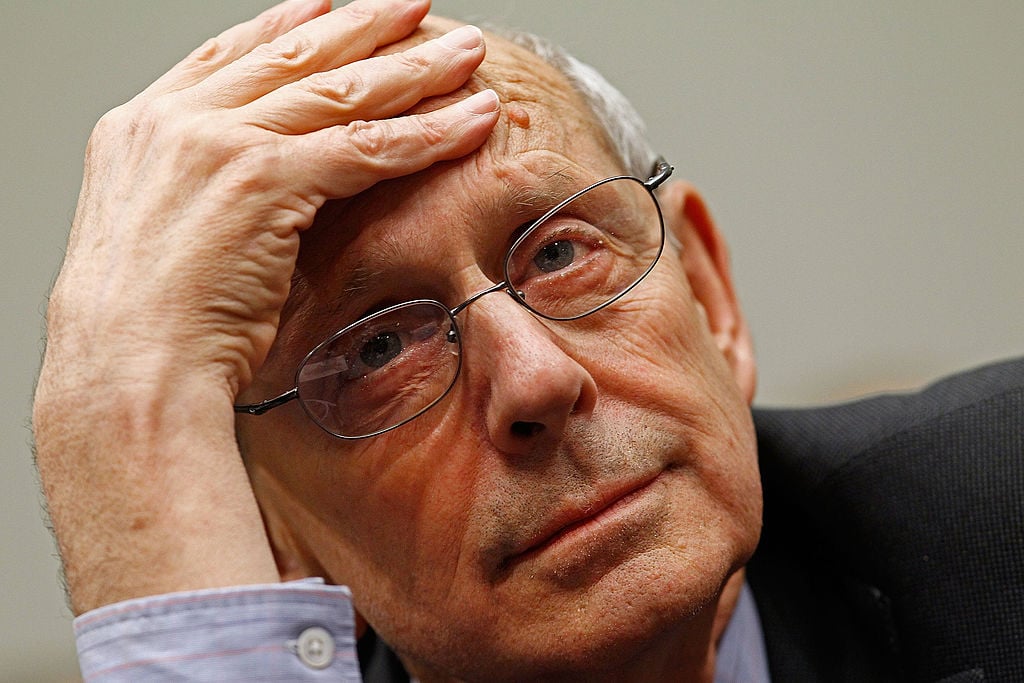
Retired Supreme Court Justice Stephen Breyer rejected characterizations that politics dominates the Court's decision-making, pushes back against a widespread criticism of the institution he served for over two decades. Breyer's defense comes amid sustained public scrutiny following a series of ideologically divided opinions on abortion, voting rights, and religious liberty that have fueled perceptions of partisan motivations behind the bench.
The former justice acknowledged legitimate concerns about declining public confidence in the judiciary. He warned that erosion of institutional trust poses a long-term threat to the Court's authority and legitimacy. Public approval ratings for the Supreme Court have fallen sharply in recent years, dropping to historic lows following high-profile rulings. Surveys consistently show Americans across party lines increasingly view the Court as politically motivated rather than impartial.
Breyer's position represents a notable departure from some legal scholars and reform advocates who argue the current conservative majority prioritizes ideological outcomes over neutral jurisprudence. The 2022 decision overturning Roe v. Wade in Dobbs v. Jackson Women's Health Organization drew particular criticism for its departure from precedent and alignment with Republican policy preferences. Subsequent rulings striking down affirmative action and restricting voting rights enforcement reinforced these perceptions.
The retired justice's comments highlight internal divisions within the legal community about the Court's trajectory. While Breyer maintains confidence in the judiciary's fundamental independence, his warning about public confidence suggests he recognizes the severity of institutional damage. When public trust erodes, the Court loses its primary source of power: voluntary compliance with decisions Americans view as legitimately reasoned rather than politically calculated.
Breyer's remarks come as Congress debates court reform proposals, including term limits and expansion. These initiatives gain traction precisely when public perception of politicization reaches critical levels. The justice's defense of the Court's independence, however, does not address the specific doc