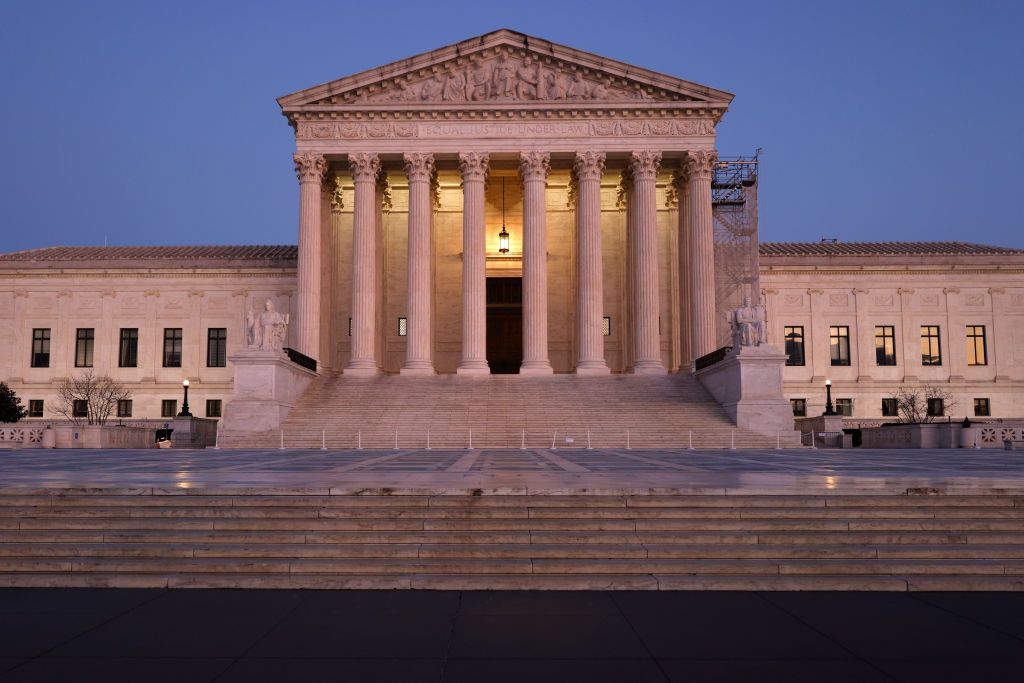
The Supreme Court's decision in Slaughter and Cook v. United States established new limits on presidential removal powers, setting the stage for contentious battles over federal employment and agency independence. The ruling constrains the president's ability to fire officers without cause, requiring statutory compliance even when removal authority appears plenary.
The decision creates immediate friction between executive power and congressional oversight. Presidents cannot simply dismiss officials at will when statutes impose qualifications or procedural requirements for removal. This affects independent agencies, inspector generals, and other positions Congress designed with tenure protections. The Court's framework distinguishes between principal officers, whom the president can remove more freely, and inferior officers, whose removal often requires statutory compliance.
The practical implications ripple across federal agencies. Inspectors general, ethics officials, and career civil servants gain enhanced job security. Agencies cannot bypass statutorily mandated procedures to remove inconvenient officials. The ruling creates exposure for presidents attempting "midnight firings" of officials on their way out of office without following legal procedures.
Lower courts will now face recurring disputes over removal statutes. Agencies must map which positions carry removal restrictions and which do not. Officials challenging terminations without cause or improper procedure have stronger legal ground. Conversely, presidents constrained by these rules face slower, messier transitions when replacing key personnel.
Congress benefits from this framework. Legislative efforts to insulate watchdog positions and independent experts receive reinforcement. Future statutes protecting agency independence have firmer constitutional footing.
The decision does not eliminate presidential removal authority but channels it through law rather than pure executive prerogative. Agencies, Congress, and the White House all must recalibrate expectations about who can be fired and how. The ruling signals the Court's rejection of unfettered executive power in staffing, favoring checks between branches instead.