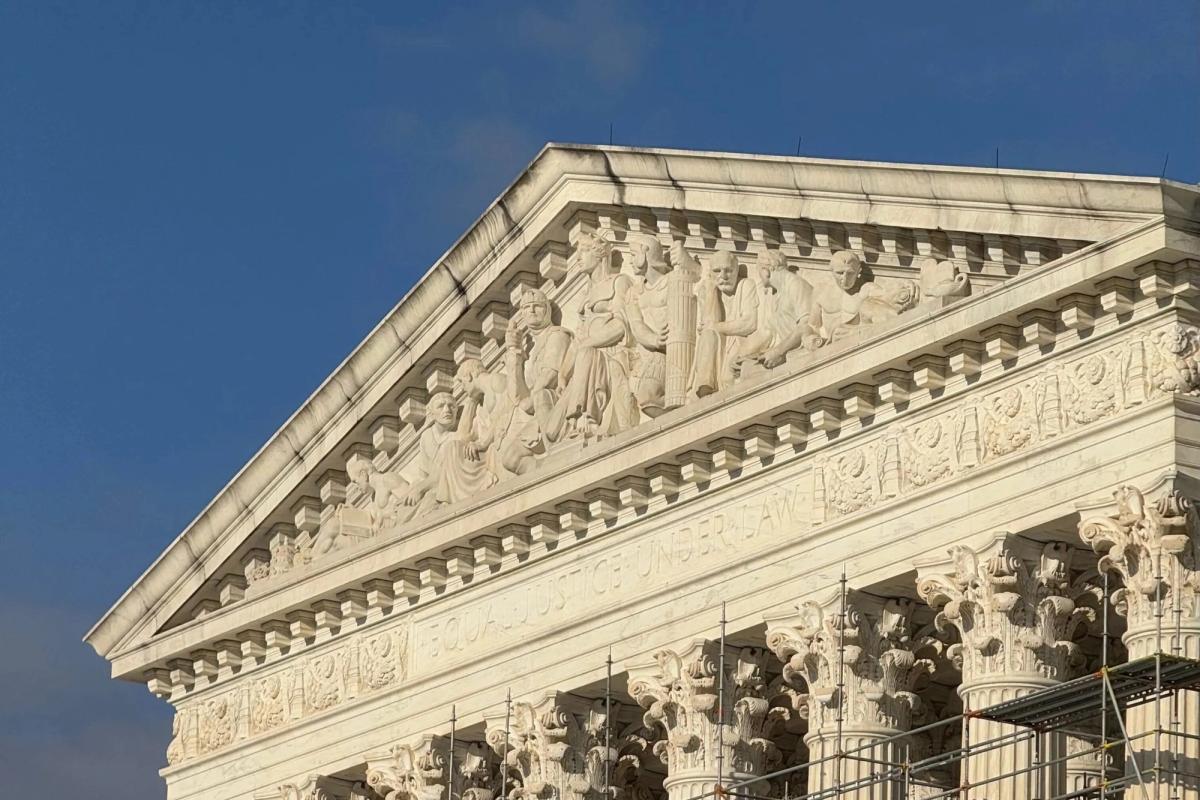
# Supreme Court Term Yields Key Rulings on Judicial Authority
SCOTUSblog has released an animated explainer covering the Supreme Court's 2024 term, highlighting major decisions that reshape judicial authority and statutory interpretation. The video synthesizes the term's central holdings across constitutional law, administrative law, and criminal procedure.
The Court issued rulings that constrain federal agency power, particularly in environmental and labor regulation. Major decisions clarified the scope of Chevron deference and the Administrative Procedure Act's application to agency rulemaking. These holdings significantly limit executive branch authority and expand judicial review of regulatory action.
The term also produced decisions affecting criminal defendants' rights and sentencing practices. The Court addressed questions of prosecutorial discretion, jury verdicts, and the application of prior sentencing frameworks. These rulings create new procedural requirements for lower courts handling criminal cases.
On constitutional structure, the Court examined separation of powers principles and the limits of executive authority. Multiple decisions reinforced congressional authority in specific domains while narrowing the scope of presidential power in others.
The animated format allows practitioners and the public to quickly grasp complex doctrine. SCOTUSblog's explainer serves practicing attorneys who need swift understanding of term outcomes and their doctrinal implications. Court watchers benefit from clear visual presentation of how decisions interconnect across different legal domains.
Lower courts now face the task of implementing these holdings in pending cases. Businesses subject to federal regulation must reassess compliance strategies under the new deference standards. Government agencies must revise rulemaking procedures to satisfy enhanced judicial scrutiny.
The term reflects an active Supreme Court willing to overturn established doctrine and constrain regulatory authority. Practitioners should consult the full decisions rather than relying solely on explainers, as the Court's reasoning often contains nuances that affect real-world application. The decisions reshape the landscape for administrative law, criminal procedure, and constitutional