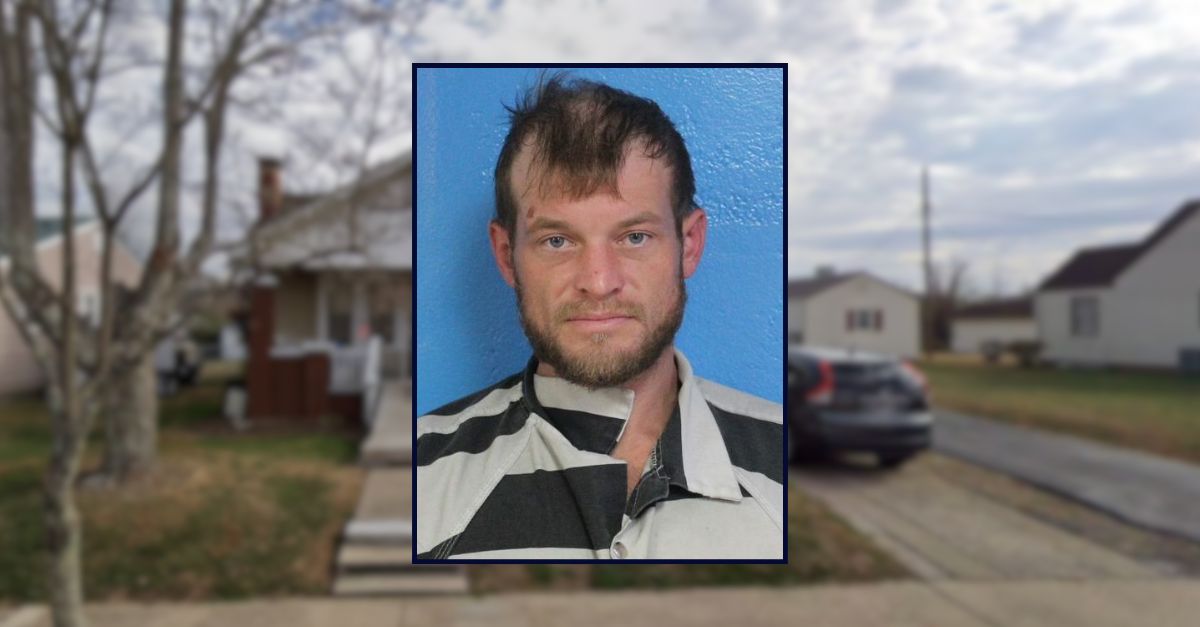
A fatal stabbing that erupted from a father-son dispute has left investigators examining three distinct crime scenes connected by a trail of blood through a residence.
Police say the incident began in the basement, where the argument escalated into violence. The suspect allegedly stabbed the victim, then fled through the house, leaving a blood trail that extended from the basement through interior rooms. A detective on the case noted the dispersed evidence presented investigative complexity, describing the situation as involving "essentially three crime scenes" linked by the victim's blood.
The suspect's statement, "Sometimes we gotta do what we gotta do," suggests a calculated mindset following the alleged homicide. This remark carries legal weight in establishing potential premeditation or consciousness of guilt.
The multi-location crime scene presentation creates significant evidentiary challenges and opportunities for prosecutors. The blood evidence chain allows investigators to reconstruct the sequence of events and the victim's movement after the initial stabbing. This forensic trail can corroborate or contradict witness accounts and the defendant's statement to police.
In homicide prosecutions, crime scene documentation becomes critical for establishing time of injury, severity of wounds, and the defendant's actions following the stabbing. The basement location as the initial scene may support charges of first-degree murder if investigators determine the defendant acted with premeditation or deliberation before the stabbing occurred.
Defense counsel will likely challenge the prosecution's interpretation of the evidence and the defendant's statement. The context surrounding the father-son dispute could potentially support reduced charges such as voluntary manslaughter, depending on whether heat-of-passion factors apply under applicable state law.
The investigation remains ongoing, with forensic analysis of the blood evidence, toxicology reports, and autopsy findings pending. These results will shape charging decisions and inform whether the prosecutor pursues capital charges, depending on jurisdiction and victim circumstances.