# Venezuela's Earthquake Rescue Effort Hampered by Corruption and Inequality
Venezuela's response to a major earthquake has exposed systemic corruption within government disaster relief operations. Investigation reveals that wealth and political connections directly influenced which rescue sites received resources and attention from authorities.
The country's rescue efforts have proceeded unevenly across affected areas. While some locations received rapid deployment of cranes, personnel, and equipment, others faced delays or minimal assistance. Government officials prioritized certain sites based on the socioeconomic status and political allegiances of affected residents rather than distributing resources according to need or injury severity.
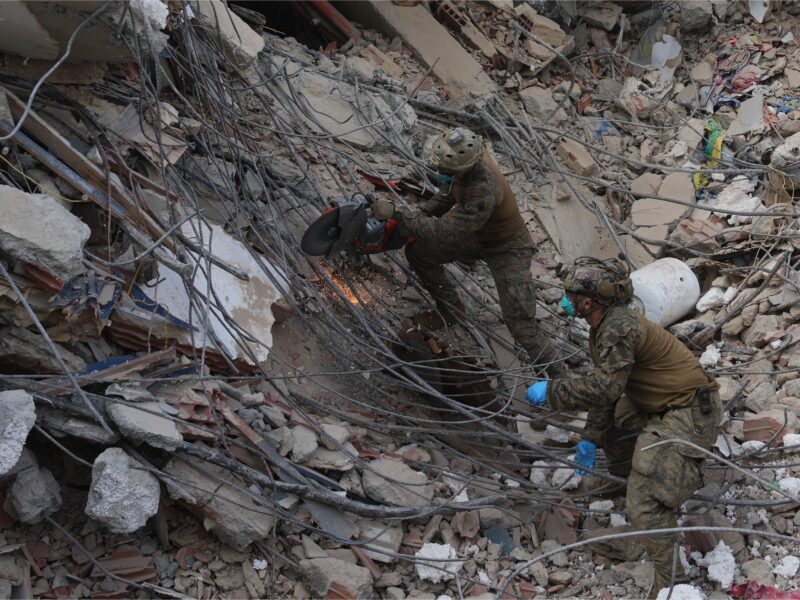
Documentation of rescue operations shows striking disparities. Some rescue teams maintained spotless uniforms and received full logistical support. Simultaneously, other teams operated with broken equipment and insufficient personnel. Cranes sat idle at lower-priority sites while people remained trapped under rubble elsewhere.
The inequality reflects broader corruption patterns within Venezuelan government institutions. Officials allocated disaster relief funding and equipment based on personal relationships and bribery rather than emergency management protocols. Rescue workers described pressure to prioritize neighborhoods connected to high-ranking government members and their business associates.
This selective response violated international humanitarian standards and Venezuela's own civil protection laws. Disaster relief operations must follow triage principles based on medical need, not financial status or political connections. The Venezuelan government failed this obligation.
Survivors in deprioritized areas experienced extended entrapment and reduced chances of rescue. Some victims died waiting for assistance that arrived promptly in other neighborhoods. Families in lower-income districts reported inability to access relief supplies, medical treatment, and reconstruction aid.
The earthquake exposed institutional failures that extend beyond disaster response. Venezuela's government apparatus systematically favors connected elites while disadvantaging ordinary citizens. This pattern affects healthcare, education, employment, and infrastructure across sectors.
International observers and human rights organizations have documented the disparity. Venezuela faces potential investigation by international bodies