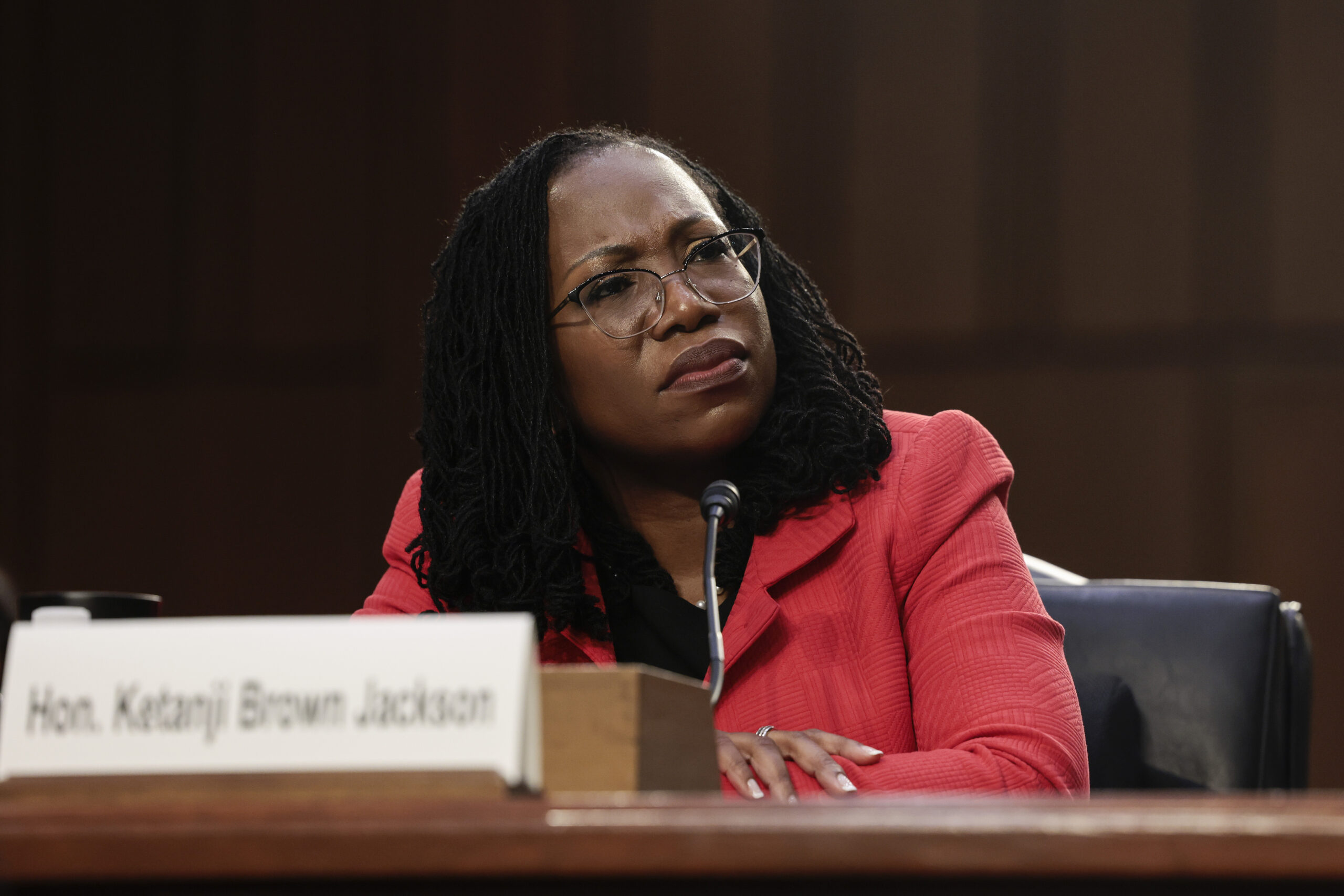
Justice Ketanji Brown Jackson issued a forceful concurring opinion challenging Justice Clarence Thomas's historical interpretation of the 14th Amendment in a recent Supreme Court decision on birthright citizenship. Jackson directly confronted what she characterized as Thomas's revisionist account of the amendment's original meaning and scope, using her concurrence to construct an alternative historical narrative.
The birthright citizenship ruling generated sharp reactions across the political spectrum. Commentators warned progressive advocates against overconfidence in the outcome, noting the decision represented a closer call than supporters initially recognized. The narrow margin underscores ongoing vulnerability on citizenship and equal protection issues before the current Court composition.
A separate Supreme Court election law decision issued yesterday drew mixed assessments. While critics noted the ruling could have imposed greater restrictions on campaign finance and voting regulations, the opinion still advanced conservative positions on electoral law, suggesting the Court stopped short of its most aggressive potential stance.
In separate developments, TikTok reached a settlement with a plaintiff rather than litigate a social media use case to completion. The agreement avoided what would have been a significant test case addressing platform liability and user protection standards.
The decisions reflect the Court's ideological fractures during its 2025-2026 term. Jackson's detailed historical critique of Thomas signals intensifying judicial conflict over constitutional interpretation methodology. The birthright citizenship outcome particularly illustrates how 5-4 or 6-3 margins on core constitutional questions leave substantial legal uncertainty for lower courts and policymakers implementing contested provisions.
For individuals and businesses, the decisions create ongoing ambiguity around citizenship status determinations and campaign finance compliance obligations. Organizations must monitor how lower courts interpret these rulings before finalizing policies dependent on clear constitutional guidance.