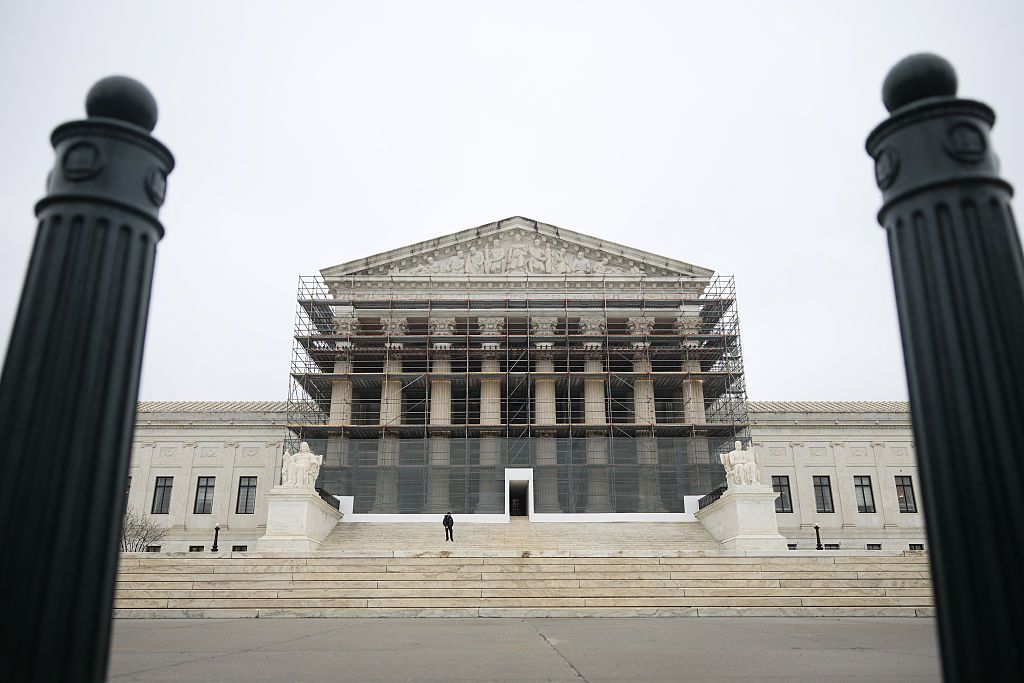
The U.S. Supreme Court sided with the Trump administration in a border dispute involving asylum seekers, delivering a victory for executive immigration enforcement powers.
The Court's decision upheld the Trump administration's authority to implement restrictions on asylum claims at the southern border. The ruling affirms that the executive branch possesses broad discretionary power to manage immigration policy and protect national borders, even when such policies limit access to asylum proceedings.
The case centered on whether the administration could lawfully impose barriers to asylum applications without congressional approval. The justices concluded that existing statutory authority granted the president sufficient power to impose the challenged restrictions. The decision reflects the Court's deference to executive judgment in immigration matters, an established principle in administrative law.
Immigration advocates had argued the restrictions violated the Immigration and Nationality Act and international law obligations to hear asylum claims. They contended that asylum seekers possess statutory rights to appear before immigration judges regardless of how they entered the country. The administration countered that national security and border control concerns justified the limitations.
The ruling establishes that presidents possess latitude in determining how asylum statutes apply at the border. Courts will afford executive immigration decisions substantial deference absent clear statutory violation. This framework favors enforcement-focused policies over access-expanding interpretations of asylum law.
The decision carries practical implications for future administrations. Any president now operates with confirmed judicial backing for implementing asylum restrictions within the bounds of executive authority. Immigration policy advocates must seek congressional action rather than rely on judicial intervention to expand asylum access.
Lower courts will apply this precedent when adjudicating challenges to border enforcement measures. Immigration judges and administrative bodies interpreting asylum eligibility will operate within this narrower framework. The ruling signals courts will not second-guess executive border management decisions absent statutory language explicitly restricting presidential power.