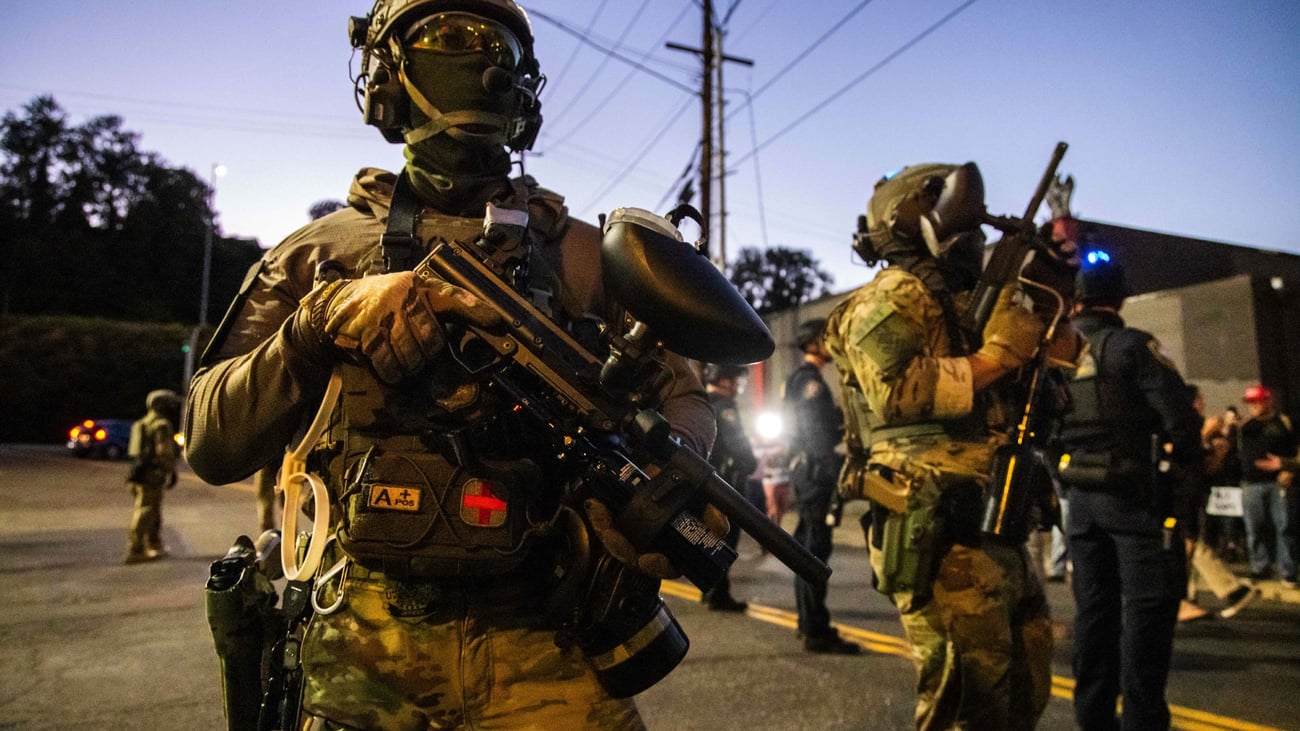
A federal judge in Virginia blocked the state's law requiring Immigration and Customs Enforcement officers to wear visible identification masks before it took effect. The preliminary injunction halts implementation of the mask mandate on its effective date.
ICE argued that the Virginia law violates federal preemption doctrine by interfering with federal immigration enforcement operations. The agency cited precedent from an appellate court decision blocking a similar California identification requirement for ICE officers, contending that states cannot impose operational restrictions on federal agents.
Virginia's statute required ICE officers operating within the state to display visible masks bearing their names, badge numbers, and agency identification. Supporters of the law argued it promoted accountability and protected individuals during immigration enforcement encounters. The requirement applied to all ICE operations, including arrests, interrogations, and facility inspections.
The judge's injunction prevents enforcement of the mandate while litigation proceeds. The decision reflects the ongoing tension between state efforts to regulate federal agency conduct and federal preemption claims that reserve immigration enforcement authority exclusively to federal officials.
The ruling aligns with the appellate precedent ICE cited. Courts have consistently held that states cannot impose operational requirements or restrictions on federal immigration enforcement. The Ninth Circuit's earlier decision blocking California's mask requirement established that such state laws conflict with exclusive federal control over immigration policy and enforcement methods.
Virginia officials may appeal the injunction or seek modifications to the statute. The case tests the boundaries of state authority to impose transparency and accountability measures on federal enforcement agencies operating within state borders. Immigrant advocacy groups opposed to the mask ban blocking have criticized the judicial outcome as limiting oversight of ICE operations.
The broader legal question concerns whether states possess any authority to regulate how federal agents conduct enforcement activities, particularly regarding identification and transparency measures. The judge's decision suggests federal operational control supersedes state accountability mandates in this context.