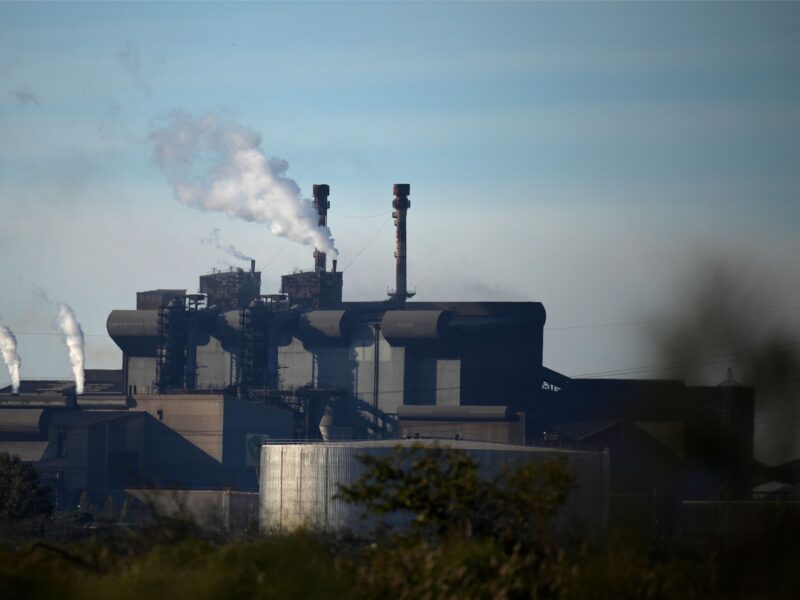
The European Union has introduced fresh regulatory measures targeting steel imports and e-commerce practices to address its substantial trade deficit with China. The move follows China's achievement of a near-record annual global trade surplus of $1.2 trillion.
The new steel regulations impose stricter requirements on foreign producers seeking access to EU markets. These rules establish higher standards for environmental compliance, labor practices, and product certification. The e-commerce regulations create enhanced scrutiny of cross-border digital transactions and marketplace practices, particularly affecting Chinese sellers operating through major platforms within EU territory.
Brussels framed the regulations as necessary responses to what officials characterize as unfair trading practices. Chinese manufacturers have captured significant market share in both steel production and online retail sectors across Europe. The regulations aim to level competitive playing fields by requiring equivalent compliance burdens on foreign competitors.
The steel measures specifically target tariff evasion schemes that allow Chinese producers to circumvent existing duties. Regulators will now require full documentation of supply chains and ownership structures. E-commerce rules mandate that online platforms verify seller identities and enforce stronger consumer protection standards for transactions originating outside the EU.
These regulations operate within the EU's existing trade defense framework under the Treaty on the Functioning of the European Union. They complement earlier countervailing duty investigations and anti-dumping measures already applied to Chinese steel products.
Chinese exporters face increased compliance costs and potential market access restrictions. European steel manufacturers and domestic e-commerce platforms gain competitive advantages through these protective measures. Small and medium-sized businesses importing Chinese goods into the EU must now navigate expanded documentation and certification requirements.
The regulations take effect in phases over the coming months. Industry observers expect litigation challenging their validity under World Trade Organization rules. China's Ministry of Commerce has signaled potential retaliation through counter-tariffs on European agricultural and automotive products.
The EU faces pressure from member states with significant trade relationships in China while balancing demands from domestic manufacturers for