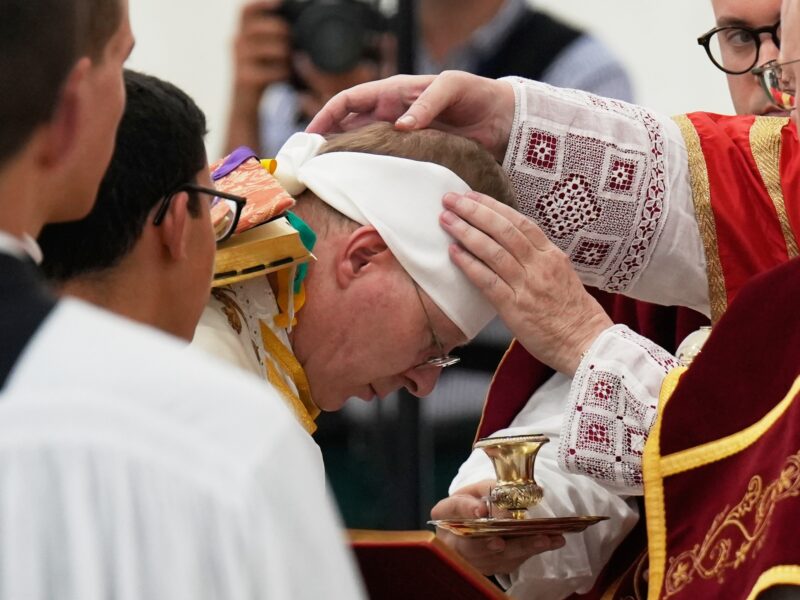
Traditionalist Catholic leaders have defied papal authority by consecrating bishops in Switzerland without authorization from the Vatican, directly violating church law and incurring automatic excommunication.
The consecrations breach canon law, which reserves the sole right to appoint and consecrate bishops to the Pope. Under canon 1382, those who consecrate bishops without papal mandate face latae sententiae excommunication. This penalty takes effect immediately upon commission of the offense, requiring no formal declaration from church authorities.
The action represents an escalation in the decades-long schism between traditionalist groups and Rome. Traditionalists, who reject Vatican II reforms and the modernization of Catholic liturgy, have operated in increasing defiance of papal directives. This consecration without permission marks one of the most direct challenges to papal supremacy within the institutional church.
Pope Leo XIV has not publicly responded to the consecrations. The Vatican typically addresses such violations through formal declarations, though the automatic nature of latae sententiae penalties means canonical consequences attach immediately regardless of papal pronouncement.
The excommunicated bishops now operate outside the official Catholic hierarchy. They cannot perform valid sacraments recognized by the church, cannot hold ecclesiastical office, and cannot receive sacraments themselves. Lay Catholics who knowingly support excommunicated clergy face their own canonical penalties.
Traditionalist groups justify their actions as necessary to preserve authentic Catholic doctrine and practice. They view Vatican II's liturgical reforms as departures from centuries of church tradition. However, canon law offers no exemption for theological objections to papal authority.
The Switzerland consecrations highlight the limits of Vatican enforcement power. The church possesses no secular legal authority to compel compliance. It relies entirely on spiritual penalties and the threat of exclusion from sacramental life. For committed traditionalists willing to accept excommunication, these penalties carry minimal practical force.
This schism reflects ongoing tension between doctrinal