# Summary
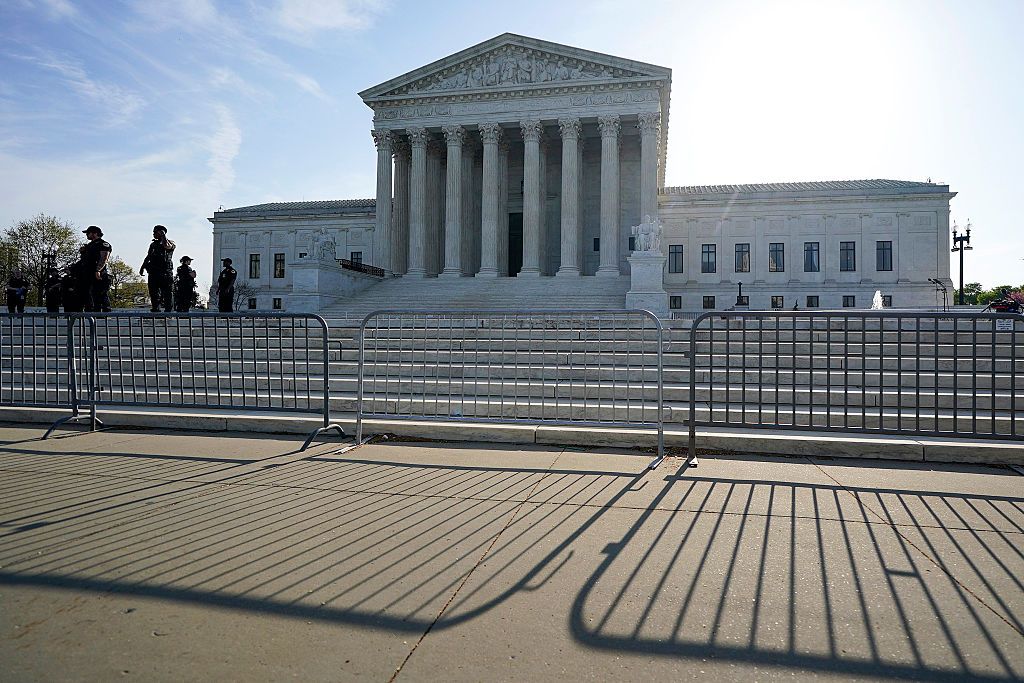
The Supreme Court has addressed the constitutional scope of birthright citizenship, a doctrine rooted in the Fourteenth Amendment's citizenship clause. The decision clarifies which individuals born within U.S. territory automatically receive citizenship at birth.
Under the Citizenship Clause, enacted in 1868, "all persons born or naturalized in the United States, and subject to the jurisdiction thereof" become citizens. The operative phrase "subject to the jurisdiction thereof" has generated decades of litigation. The Court previously interpreted this language in United States v. Wong Kim Ark (1898) to grant citizenship to children born to legal permanent residents and immigrant parents, despite their alienage status.
This recent decision reinforces that interpretation while potentially addressing edge cases involving diplomatic immunity, Native American tribal members, or children born to undocumented aliens. The ruling impacts immigration enforcement priorities and naturalizations administered by U.S. Citizenship and Immigration Services (USCIS).
The practical implications extend to millions of individuals born on U.S. soil. Children born to undocumented immigrants retain constitutional citizenship rights. State governments cannot establish parallel citizenship standards or burden federal immigration enforcement. Hospitals and vital records offices must process birth certificates according to federal constitutional standards, not state law preferences.
For immigration policy, the decision constrains executive and legislative attempts to restrict birthright citizenship through statute or regulation. Proposals to end birthright citizenship would require constitutional amendment, the highest legal hurdle. Congress cannot narrow the class of birthright citizens through ordinary legislation.
The ruling also protects children from administrative limbo. A child cannot be rendered stateless or forced into deportation proceedings solely because of parental immigration status. Birth certificates issued under state law serve as conclusive evidence of citizenship claims in federal proceedings.
This framework preserves uniform citizenship standards across all states while maintaining the federal government's exclusive authority over immigration matters. The decision affirms that constitutional citizenship transcends immigration