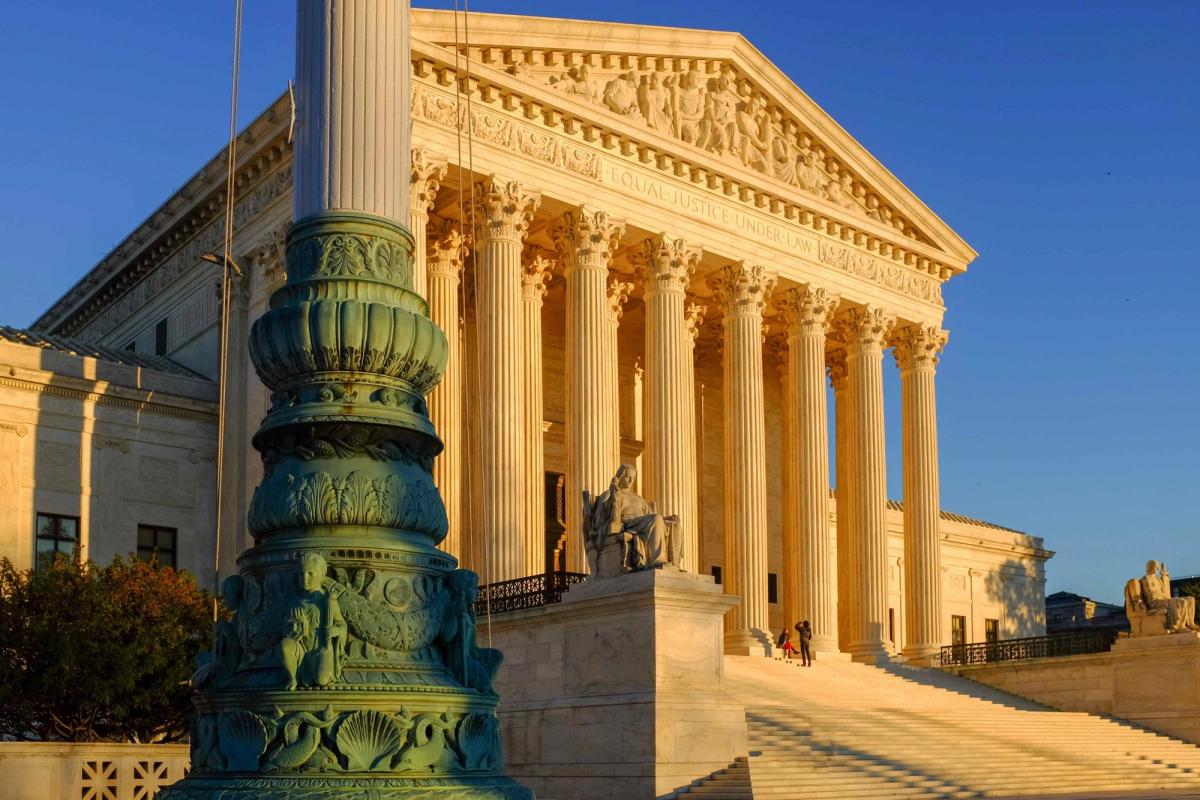
# Birthright Citizenship: Supreme Court Signals Restraint in Major Constitutional Case
The Supreme Court declined to overturn the longstanding interpretation of birthright citizenship under the Fourteenth Amendment, choosing instead to leave existing doctrine intact without breaking new constitutional ground.
The decision reflects the Court's cautious approach to a contentious issue that has drawn intense political debate. Birthright citizenship, guaranteed under the Fourteenth Amendment's citizenship clause, grants automatic citizenship to virtually all persons born on U.S. soil, regardless of their parents' immigration status. This doctrine has anchored American citizenship law for over 150 years.
The Court's restraint signals deference to Congress and existing precedent rather than judicial activism. The majority opinion emphasized that the Court would not expand or contract citizenship rights through aggressive constitutional interpretation. This approach preserves the status quo while acknowledging that legislative reform remains possible through the amendment process or statute.
The case attracted fierce partisan attention, with advocates on both sides seeking definitive rulings. Restrictionists argued that the Fourteenth Amendment's language does not mandate automatic citizenship for children born to non-citizen parents. Defenders of birthright citizenship contended that the historical record and over a century of consistent application supported the existing framework.
By avoiding dramatic reinterpretation, the Court sidestepped a potential constitutional rupture. The decision allows Congress to legislate on immigration matters without interference from judicial rewriting of the citizenship clause. It also prevents the Court from destabilizing millions of citizens whose status depends on birthright citizenship doctrine.
The restraint shown here differs markedly from recent decisions in which the Court has aggressively reinterpreted constitutional text. This case demonstrates the Court's awareness that fundamental citizenship questions carry profound practical consequences for American law and society. While political pressure to revisit birthright citizenship continues, the Court's current composition has chosen institutional caution over doctrinal innovation.