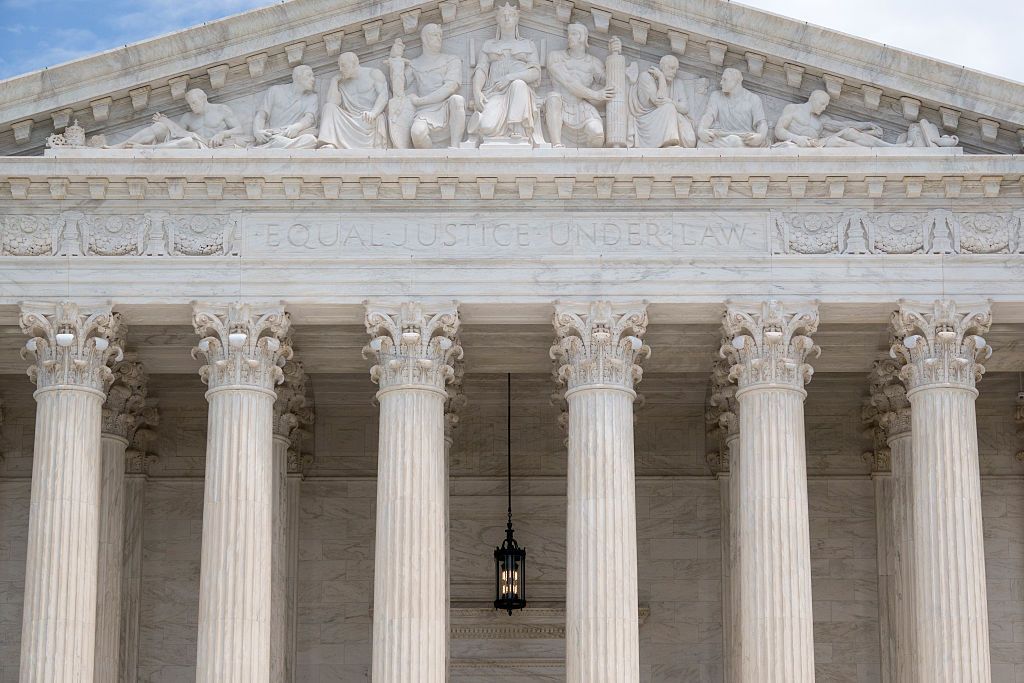
The Supreme Court ruled that President Trump may fire Federal Trade Commission Commissioner Jolicoeur without cause, striking down statutory protections that shielded the FTC chair from at-will removal. The decision represents a sweeping expansion of presidential authority over independent agencies.
The FTC Act previously limited presidential removal power by requiring the president to demonstrate "good cause" before firing the agency's leader. Trump challenged this restraint as unconstitutional. The Court's majority concluded that the removal restrictions violated the Take Care Clause, which grants presidents executive power over the federal government.
This ruling extends the Court's prior decision in Seila Law LLC v. Consumer Financial Protection Agency, which struck down similar removal protections for another financial agency director. The justices reasoned that presidential control over agency leadership strengthens accountability and prevents unelected bureaucrats from wielding executive power independently.
The decision has immediate practical consequences. Trump gains direct control over FTC enforcement priorities without navigating statutory barriers. The president may now replace Jolicoeur with a commissioner aligned with his administration's deregulatory agenda. This affects ongoing FTC investigations into big tech companies, privacy practices, and consumer protection enforcement.
For businesses, the ruling creates uncertainty about regulatory consistency. Companies cannot assume the FTC will maintain its current enforcement posture across administrations. Tech firms under investigation face potential shifts in regulatory scrutiny depending on presidential preferences.
The decision narrows the universe of truly independent agencies. Commissioners and directors at the Federal Reserve, Securities and Exchange Commission, and other bodies with removal restrictions now face similar constitutional jeopardy. Future litigation may target protections at these agencies.
Dissenting justices warned the ruling concentrates excessive power in the presidency and compromises agency independence. They argued that removal restrictions serve legitimate purposes by insulating experts from political pressure.
The Court's holding effectively ends the removal protection framework that Congress established decades ago to buffer financial regul