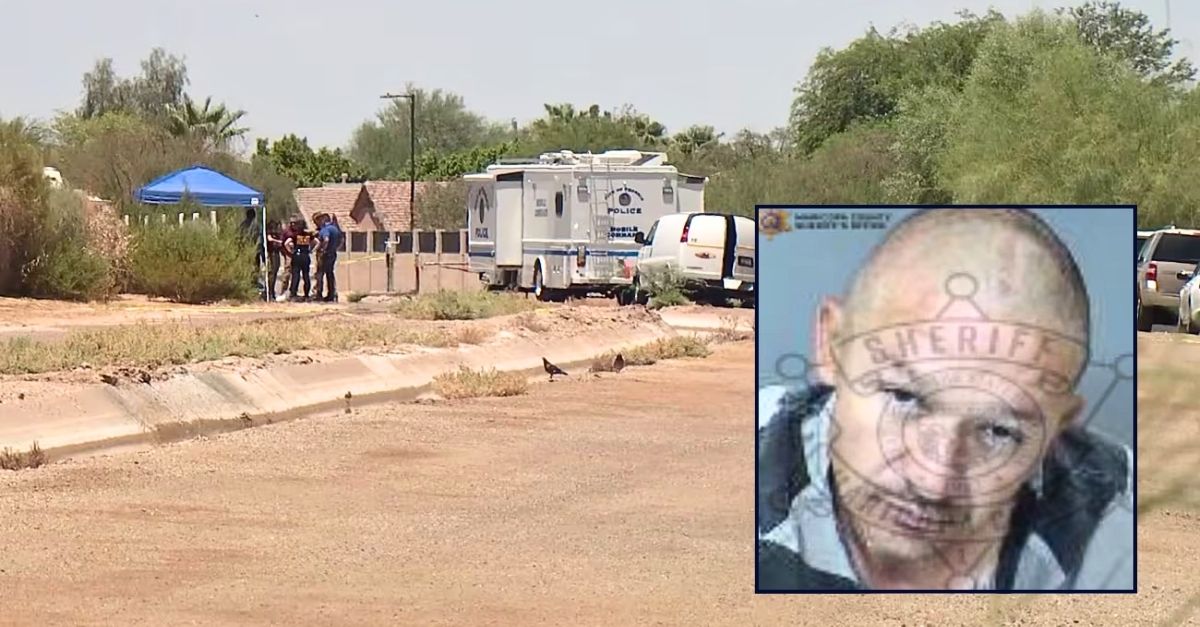
Two Arizona men face serious criminal charges after tying their companion to a wheelchair with plastic bags and abandoning him outside in 105-degree heat, authorities report. The victim was left with his pants pulled down around his ankles in a condition that exposed him to life-threatening heat exposure.
Police allege the defendants restrained the man using plastic bags as ligatures, then left him unattended in dangerous outdoor conditions. When questioned about the victim's welfare, the defendants claimed he was "fine," according to law enforcement accounts.
The case presents multiple felony exposure charges, likely including aggravated assault, abandonment of a dependent person, and potentially reckless endangerment or attempted murder depending on the victim's injuries and the defendants' intent. Arizona law prohibits conduct that knowingly puts another person in imminent danger of death or serious physical injury. The extreme heat element strengthens prosecution arguments regarding recklessness, as temperatures at 105 degrees create rapid risk of heat stroke and organ failure.
The restraint using plastic bags indicates intentional immobilization. The deliberate removal of the victim's pants suggests humiliation and further endangerment. The defendants' false claims that the victim was "fine" demonstrate consciousness of guilt and knowledge that their conduct violated legal standards.
Arizona courts treat abandonment cases seriously, particularly when vulnerable persons face environmental extremes. The deliberate nature of restraint distinguishes this from simple neglect. Prosecutors will argue the defendants created the dangerous condition and failed to provide rescue.
The victim's survival status and current medical condition will determine charge severity. Heat exposure injuries can include permanent neurological damage, kidney failure, and cardiac complications even after initial survival. Depending on findings, charges could escalate to felony attempted murder or second-degree murder if prosecutors prove premeditation.
Both defendants face potential prison sentences ranging from several years to life imprisonment. The case highlights Arizona's aggressive prosecution of