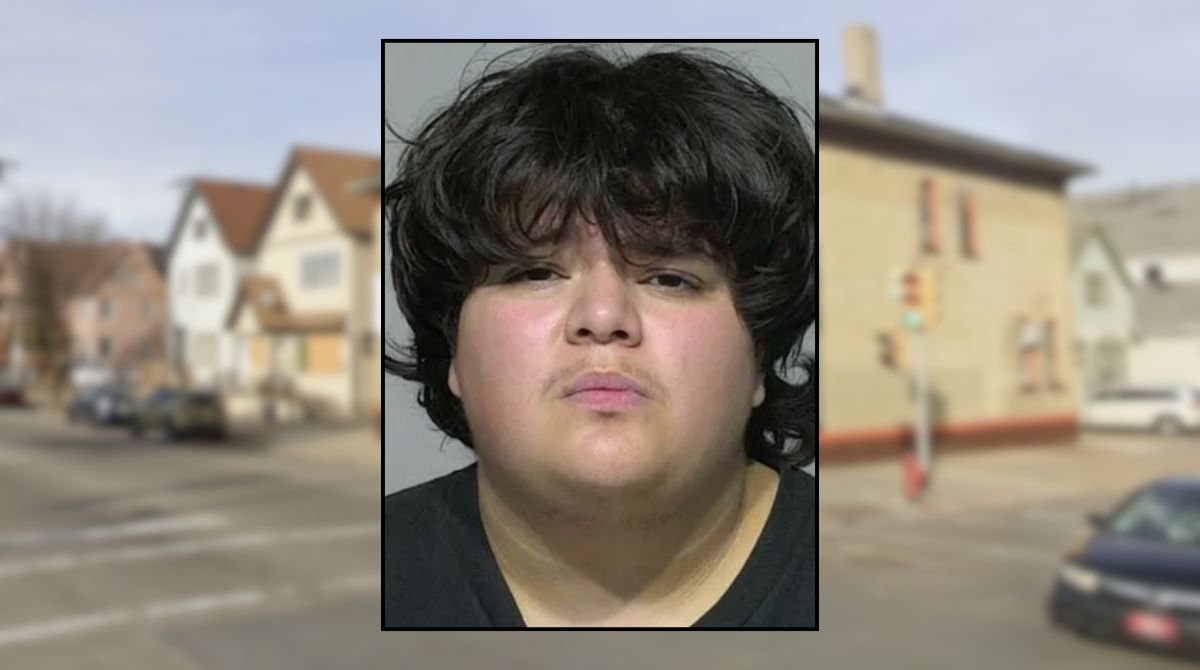
A man accused of a fatal drunk driving crash blamed his intoxication on an empty stomach while at the scene, then told his girlfriend he was leaving "for a long time," according to police reports. The defendant allegedly assumed a boxer stance and threatened to fight witnesses who attempted to keep him present after the collision.
The incident presents a textbook case of consciousness of guilt. Law enforcement documented the defendant's statement minimizing his condition immediately after the crash, followed by statements to his girlfriend suggesting awareness of impending criminal liability. These admissions typically carry substantial evidentiary weight in DUI fatality prosecutions.
Courts recognize that post-accident conduct and statements can establish guilty knowledge. The defendant's immediate departure announcement, combined with his confrontational behavior toward witnesses, creates a pattern prosecutors will use to demonstrate he understood the severity of his actions. Most jurisdictions permit such statements as admissions against interest, making them admissible under hearsay exceptions.
The defendant faces charges stemming from the fatal crash. Depending on jurisdiction, he likely confronts vehicular manslaughter or vehicular homicide charges, elevated from standard DUI due to the death. The charge distinction matters significantly. Vehicular homicide typically requires gross negligence or recklessness, carrying substantial prison sentences. Many states impose mandatory minimum sentences ranging from five to fifteen years.
The physical altercation threat creates additional complications. Witness intimidation or assault charges may accompany the primary charges, compounding his legal exposure. Prosecutors will present the confrontational behavior as evidence of consciousness of guilt and general dangerousness.
The defendant's empty stomach comment lacks legal merit as a defense. While food absorption affects blood alcohol concentration rates, it does not mitigate intoxication at the moment of driving. Courts consistently reject this argument in DUI proceedings.
This case demonstrates how post-incident behavior determines prosecution strategy and jury perception. The combination of minimization, flight statements