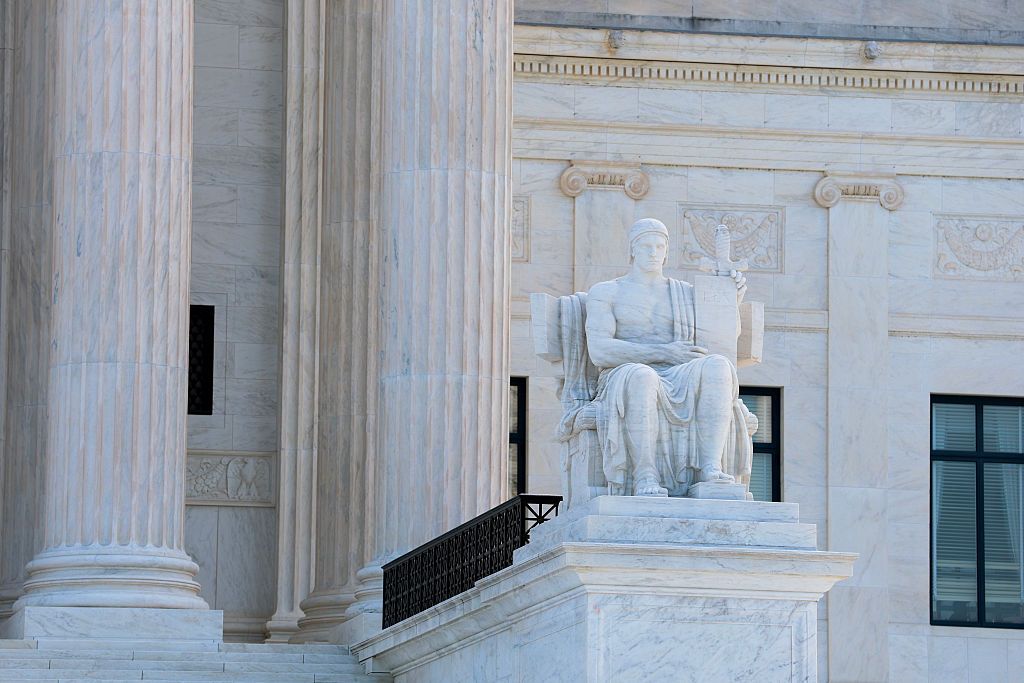
Supreme Court Justices disclosed luxury travel and entertainment expenses in their 2025 financial filings, including high-end concert tickets and frequent international trips that raise questions about gift acceptance rules and judicial ethics.
Justice Samuel Alito received Bad Bunny concert tickets valued at over $3,000 from a friend, according to his disclosure form. Alito reported the gift on his financial statement but noted the source as a personal connection rather than a party with business before the Court. The disclosure highlights ongoing scrutiny of how justices value and report entertainment gifts under federal ethics rules.
Multiple justices reported significant international travel during the period. The filings show luxury vacations, some funded through speaking fees or judicial conferences. Justice Clarence Thomas again disclosed travel funded by billionaire Harlan Crow, continuing a pattern that has drawn ethics watchdog criticism. Justice John Roberts reported travel to various countries for official and personal reasons.
The disclosures occur amid renewed attention to Supreme Court ethics after ethics lapses revealed in 2024. Congress has pressured the Court to adopt binding ethics rules comparable to those governing lower federal judges. The justices operate under voluntary disclosure guidelines rather than the mandatory Code of Conduct binding on all other federal judges.
Ethics advocates argue the disclosures demonstrate why formal ethics rules remain necessary. The Court's current system allows justices discretion in reporting and interpreting gift-acceptance policies. Entertainment gifts and travel funded by wealthy benefactors present potential conflicts, though justices typically argue such transactions carry no influence.
The Court has resisted calls for mandatory ethics codes, with Chief Justice John Roberts contending the justices maintain high standards through self-regulation. These 2025 disclosures provide new fodder for advocates pressing for binding ethics rules comparable to those in the judicial code.