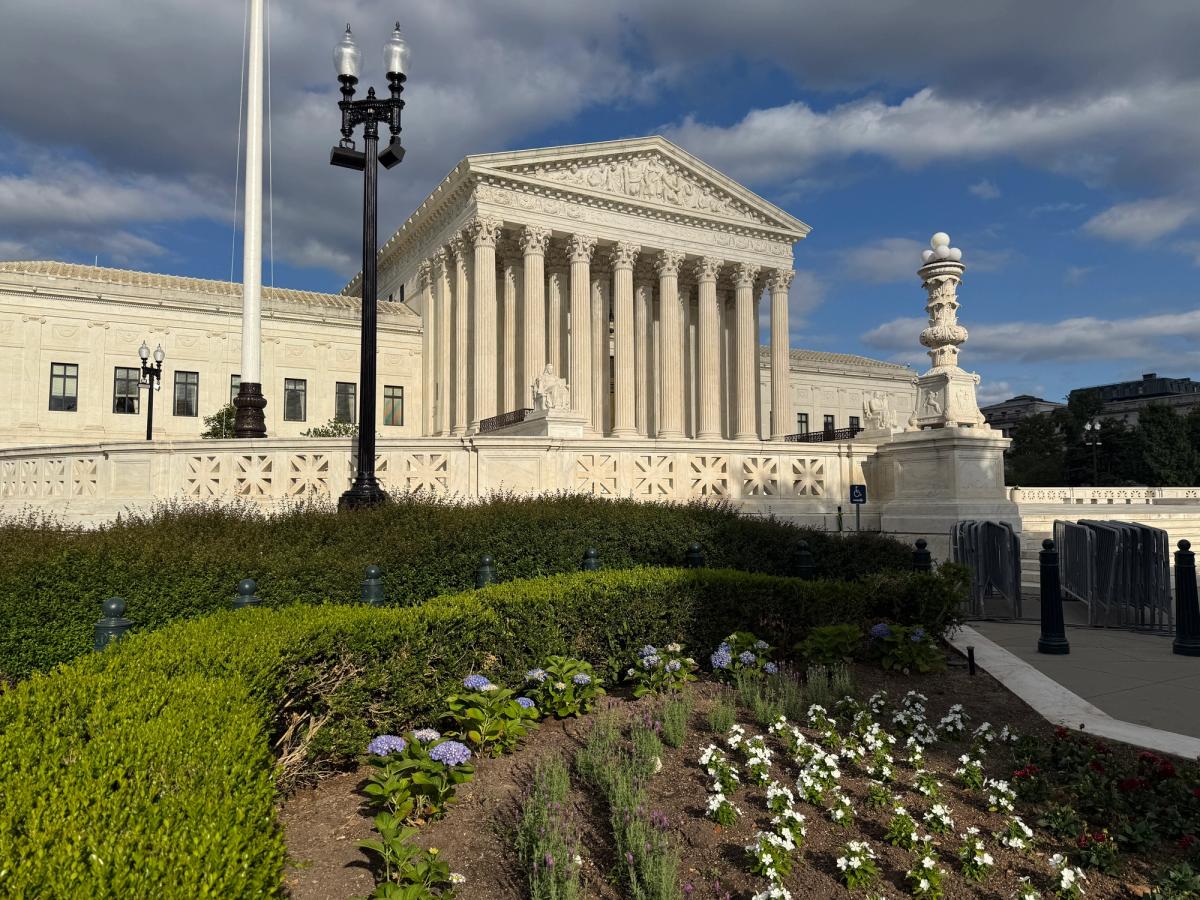
The Supreme Court agreed to hear six new cases during its latest conference, adding to its docket for the 2024 term. Among the cases accepted is a dispute centered on voter eligibility requirements and proof of citizenship.
The citizenship-to-vote case presents a direct constitutional question about state authority to demand documentary proof that voters are U.S. citizens. The case tests whether states possess independent power under the Elections Clause to set voting qualifications or whether federal law preempts such requirements. This dispute carries implications for ballot access rules nationwide and voter registration procedures.
The Court's acceptance of this case signals the justices view the issue as warranting their attention amid ongoing litigation about election administration. Several states have moved to require citizenship documentation at the polls or during registration, citing election integrity concerns. Voting rights advocates have challenged these requirements as barriers to eligible voters and potentially unconstitutional restrictions on the franchise.
The specific legal question turns on the relationship between the Elections Clause, which grants states authority to regulate federal elections, and the Fourteenth Amendment, which protects voting rights. The Court must determine whether state-imposed citizenship verification mechanisms exceed constitutional boundaries or fall within permissible state regulation.
The five additional cases accepted involve various legal areas. Their specific holdings and facts have not been detailed in preliminary reports, but their addition reflects the Court's broad docket diversity.
This term's case selection demonstrates the Court's focus on constitutional questions spanning election law, voting rights, and federalism. Oral arguments for the newly accepted cases will occur in the coming months, with decisions expected before the term concludes in June 2025.
The citizenship-to-vote case will draw heightened attention from election law specialists, voting rights organizations, and state election officials monitoring how the Court addresses the federalism balance in election administration.