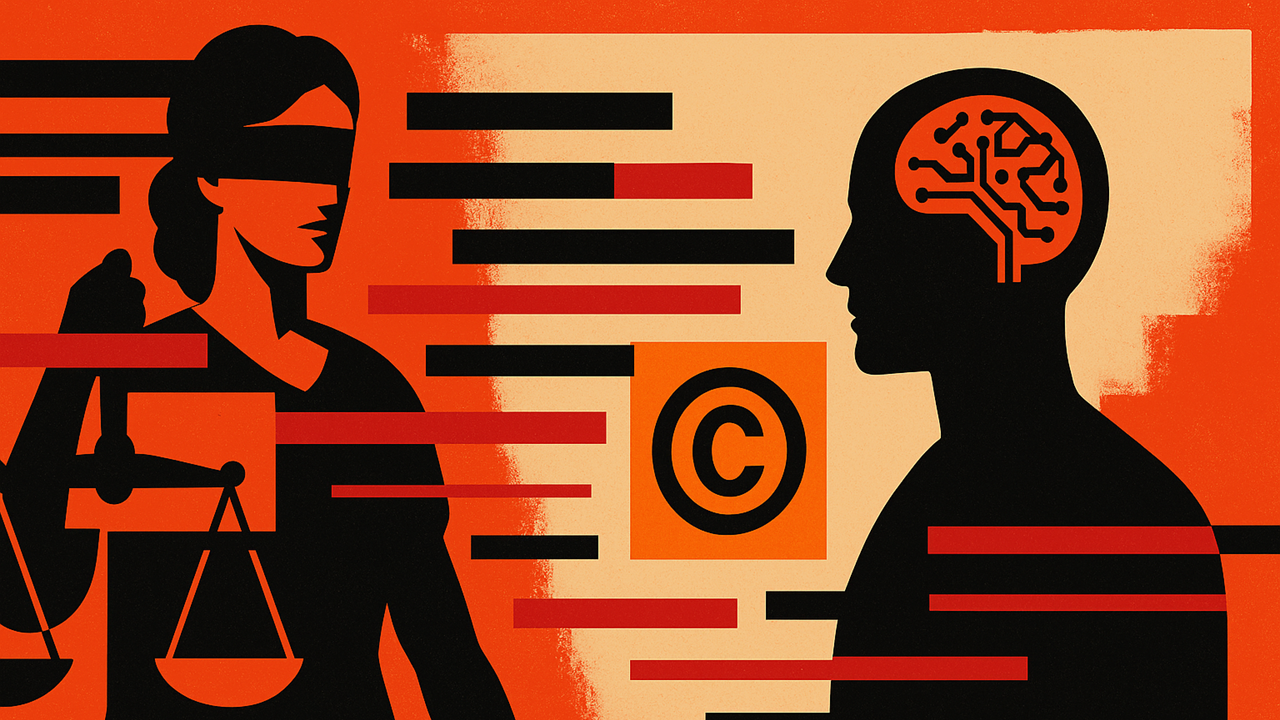
The Third Circuit Court of Appeals heard oral arguments in a dispute between ROSS Intelligence and Thomson Reuters over the use of legal database content to train artificial intelligence systems. Judges pressed both parties on fair use doctrine, market harm, and the boundaries of AI training.
ROSS Intelligence developed legal research AI technology using Thomson Reuters content without permission. Thomson Reuters, the dominant legal research publisher owning services like Westlaw, sued ROSS for copyright infringement. ROSS counters that its use qualifies as fair use under the Copyright Act.
During oral arguments, the Third Circuit judges focused on four statutory fair use factors. They examined whether ROSS's copying was transformative, whether it harmed Thomson Reuters' market, and whether the quantity of material copied was reasonable for the AI training purpose.
ROSS argued its technology represented an early example of AI transformation now reshaping legal research. The company characterized its use as transformative because it created new functionality unavailable in Thomson Reuters' products. This mirrors arguments made by other AI companies facing copyright litigation from content creators.
Thomson Reuters emphasized market harm. The publisher argued ROSS competed directly in the legal research market and that permitting such copying would destroy the market for legal databases. Thomson Reuters presented evidence that clients might substitute AI-trained systems for expensive subscription services.
The judges appeared skeptical of both extremes. They questioned whether early-stage AI companies could copy entire databases without permission simply by claiming transformation, yet also seemed concerned that rigid copyright enforcement might stifle beneficial AI development.
This case occurs amid dozens of similar copyright disputes involving AI training, including litigation against OpenAI, Google, and Meta from major publishers and authors. The Third Circuit's ruling will influence how courts nationwide apply fair use doctrine to AI development.
The decision carries stakes for the legal technology industry specifically. If ROSS prevails, other companies may develop AI legal research tools using proprietary databases. If Thomson Reuters prevails, AI developers