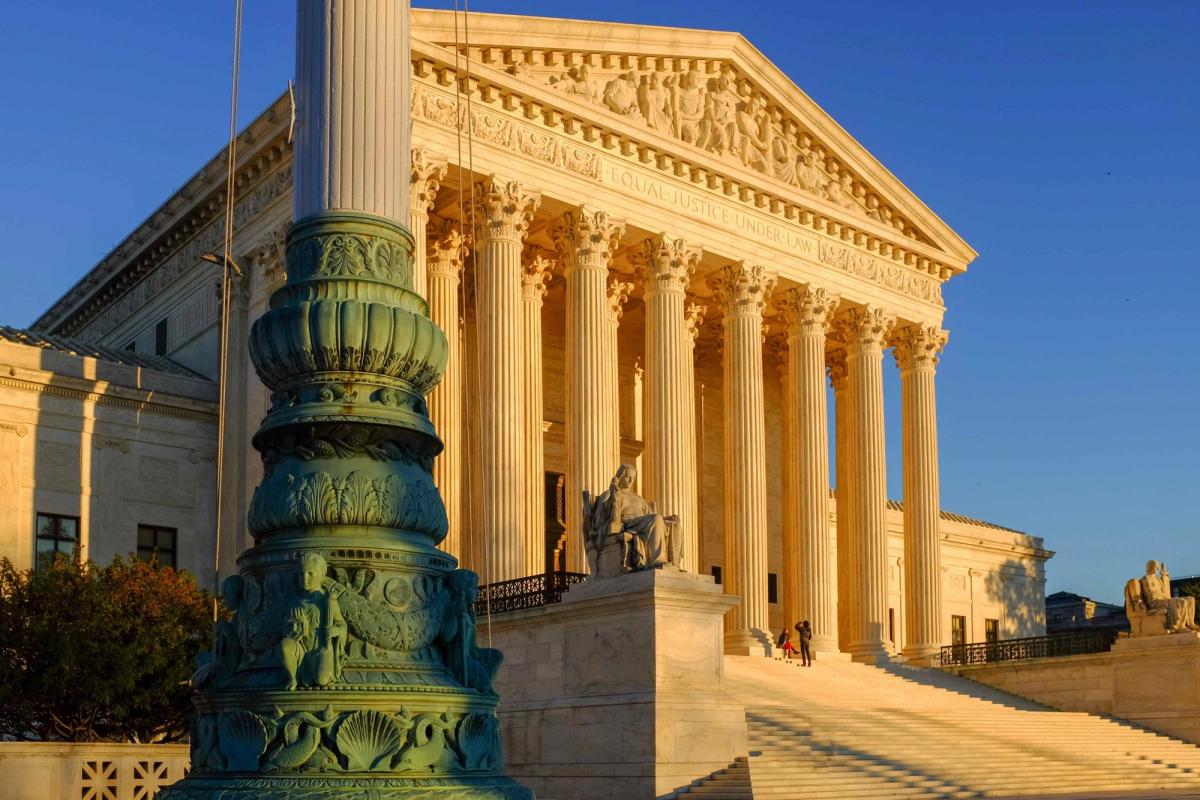
# SCOTUS Justice Reaches 250-Year Combined Milestone on Bench
A Supreme Court justice has reached 250 years of cumulative tenure on the bench, marking a historic milestone for the federal judiciary. This achievement reflects the extended service records of justices who have chosen to remain on the nation's highest court well into their later years.
The milestone underscores a broader trend in recent Supreme Court history. Justices appointed in recent decades have served substantially longer than their predecessors. Life tenure under Article III of the Constitution, combined with advances in longevity, has created an environment where justices regularly serve 25 to 35 years or more.
This extended tenure shapes the Court's jurisprudence in profound ways. A single president's appointments can influence constitutional interpretation for decades after that president leaves office. The current Court composition reflects appointments spanning multiple administrations, creating persistent ideological alignments that outlast electoral cycles.
The 250-year aggregate tenure also reflects individual justices' decisions to remain in service despite advancing age. Some justices have cited health concerns or strategic considerations around succession timing when deciding to retire. Others have remained active despite significant health issues, believing their presence on the bench remains necessary.
Extended service creates practical implications for the Court's docket and decision-making. Senior justices sometimes reduce their workload or recuse themselves from certain cases due to health or conflict concerns. The Court's institutional rhythm changes when justices serve in active roles for longer periods.
The milestone arrives amid ongoing debate about term limits and retirement age for federal judges. Some legal scholars and politicians have proposed limiting justices to 18-year terms, which would create regular vacancies for presidential appointment. Opponents argue such reforms would constitutionalize what remains a matter of justices' personal choice under current law.
For now, the 250-year aggregate represents both the stability and the stagnation that life