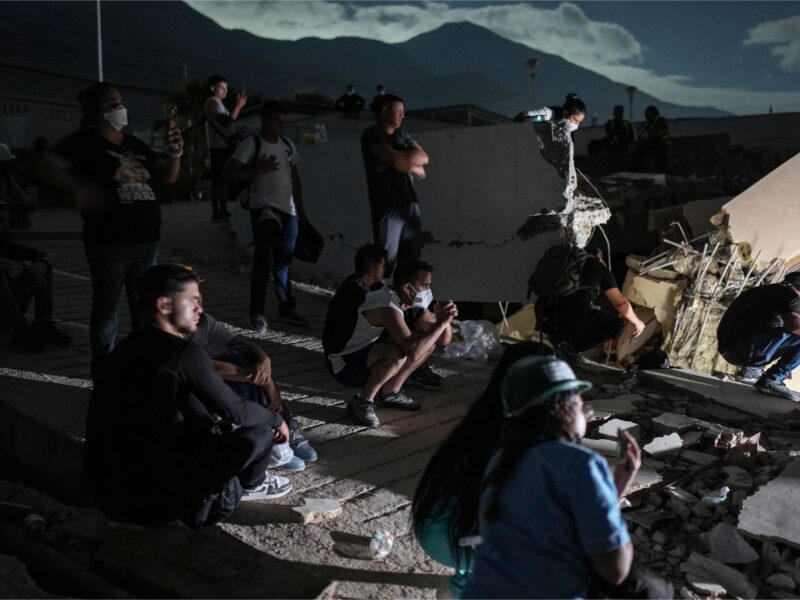
# Venezuela Faces Massive Humanitarian Crisis After Earthquakes
Rescue operations continue across Venezuela following a major earthquake that has left millions vulnerable. The United Nations estimates that up to 6.8 million of Venezuela's nearly 30 million residents face direct impact from the seismic events.
Aftershocks complicate rescue efforts in the disaster zone as teams search through rubble for survivors and victims. The cascading tremors create dangerous conditions for rescue workers already stretched thin by the scale of destruction.
Venezuela's already fragile infrastructure and depleted resources compound the humanitarian emergency. The country has experienced severe shortages of fuel, medicine, and food for years due to economic collapse and political instability. The earthquakes have now disrupted whatever systems remained functional.
International aid organizations face obstacles in delivering assistance to affected regions. Venezuela's political isolation and lack of foreign currency limit the government's ability to purchase supplies or coordinate large-scale relief operations. The UN's assessment of 6.8 million affected persons suggests the disaster will worsen existing humanitarian conditions affecting vulnerable populations including children, the elderly, and those with pre-existing medical conditions.
Local authorities struggle to establish accurate casualty counts and identify missing persons. Communication infrastructure damage in remote areas prevents complete reporting of the disaster's scope. Displaced persons lack adequate shelter, clean water, and medical care as aftershocks continue.
The earthquake strikes Venezuela at a moment when the population already faces severe hardship. Years of economic deterioration have forced millions to flee the country as refugees. Those who remain now confront trauma from natural disaster layered atop chronic shortages and economic desperation.
International humanitarian agencies have called for increased funding to support Venezuela's recovery efforts. The scale of UN estimates suggests this earthquake will generate one of the region's largest humanitarian crises in recent years, with recovery timelines measured in months or years rather than weeks.