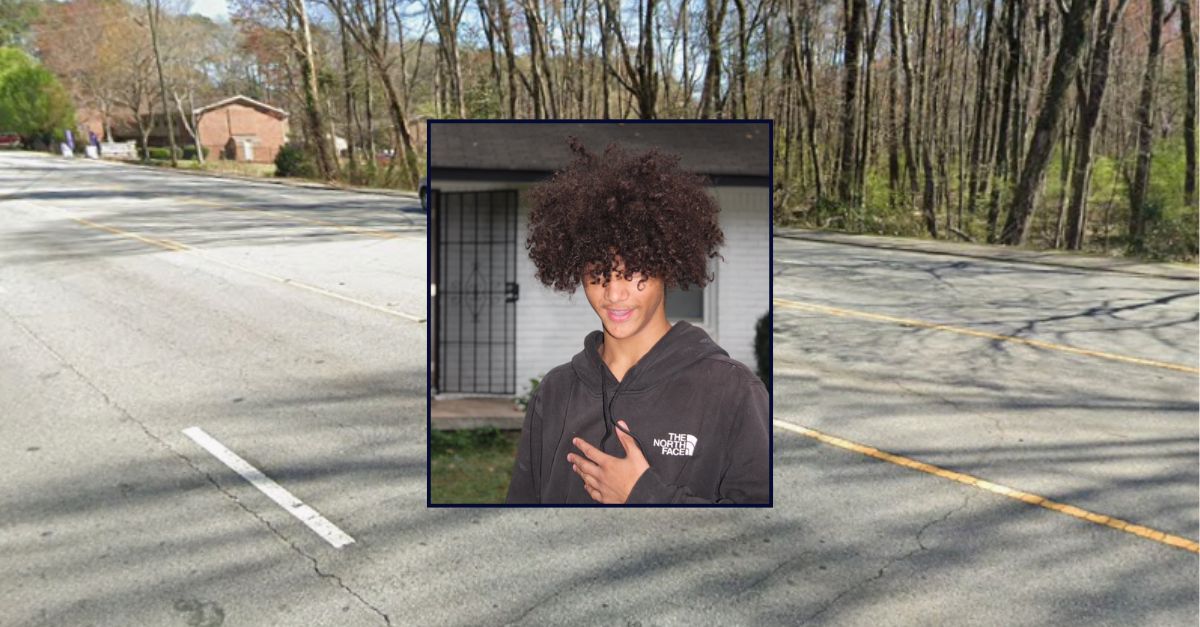
A 27-year-old man shot and killed a 16-year-old boy in Georgia while the teenager was defending a younger child from a bully, according to law enforcement.
The incident unfolded when the 16-year-old intervened to protect his friend from harassment. The adult male then opened fire, fatally shooting the teen. Police have characterized the shooting as an unprovoked attack on a minor attempting to help another youth.
The case raises questions about self-defense law and proportional use of force. Georgia law permits individuals to use force to defend themselves or third parties from harm, but that right does not extend to lethal force in response to bullying or non-lethal threats. The shooter's use of a firearm against an unarmed teenager protecting a younger child likely falls outside any reasonable self-defense justification under Georgia Code Section 34-3-2, which governs justified use of force.
The age disparity between the adult shooter and the teenage victim underscores the severity of the conduct. A 27-year-old facing a 16-year-old cannot claim reasonable fear of serious bodily injury from bullying conduct. Prosecutors will focus on the disproportionate nature of the response and whether the shooter acted with criminal intent.
The victim's actions reflect a moral choice to intervene on behalf of a vulnerable child. That choice cost him his life, but it also defines the legal narrative. The shooter will face significant criminal charges, likely including murder or voluntary manslaughter, depending on whether prosecutors establish premeditation or heat-of-passion elements.
Georgia courts examine the reasonableness of force under the totality of circumstances. A teenager mediating a bullying incident presents no credible threat justifying lethal response from an adult. Jury instructions on self-defense will focus narrowly on the shooter's subjective perceptions, but objective facts