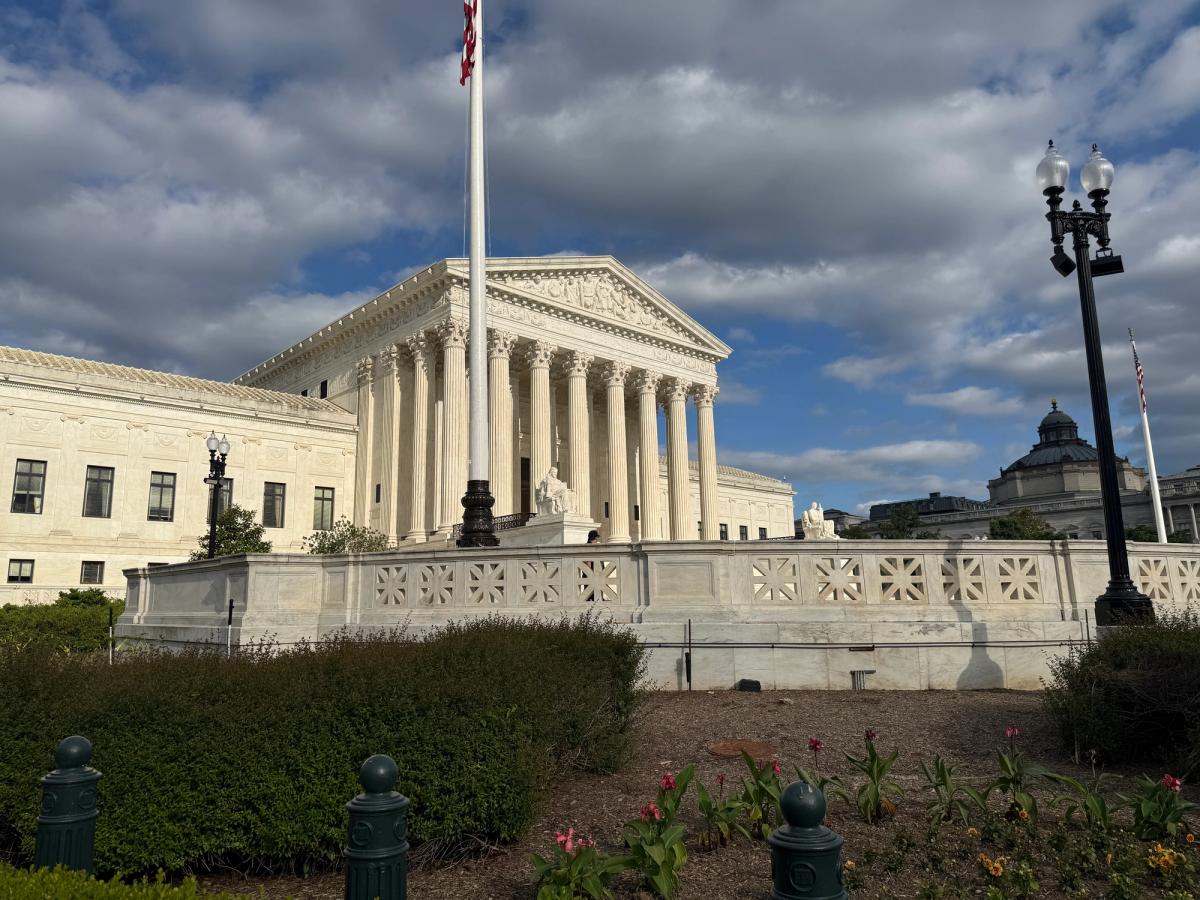
The Supreme Court declined to hear an appeal from Donald Trump challenging a $5 million civil verdict entered against him. Trump petitioned for a writ of certiorari, seeking review of the lower court's judgment. The Court issued an order denying the petition without comment or recorded dissents.
The case stemmed from a defamation dispute involving statements Trump made about a former contestant on "The Apprentice." The jury awarded the plaintiff $5 million in damages after finding Trump liable for defamatory statements that harmed her reputation and caused emotional distress.
Trump's legal team argued the verdict violated his First Amendment rights and that the lower court erred in applying New York's defamation law. The appeal raised questions about standards for public figures defending against defamation claims, a doctrine established in New York Times Co. v. Sullivan, 376 U.S. 254 (1964). Under that standard, public figures must prove defendants acted with actual malice, knowing statements were false or with reckless disregard for truth.
The Supreme Court's denial of certiorari does not address the merits of Trump's legal arguments. The denial leaves the $5 million judgment intact and represents a significant loss for Trump in the litigation. His legal options for challenging the verdict now narrow substantially.
The decision carries implications for public figure defamation cases broadly. Courts nationwide continue wrestling with First Amendment protections for political speech while balancing plaintiffs' reputational interests. Trump faces other substantial civil judgments pending appeal, including a $454 million New York fraud verdict from early 2024.
The Court's refusal to intervene signals it saw no exceptional constitutional question warranting Supreme Court review. Lower courts must now manage enforcement of the $5 million judgment. The practical effect leaves Trump liable for substantial damages arising from statements made in his public capacity, establishing consequences for defamatory speech by prominent