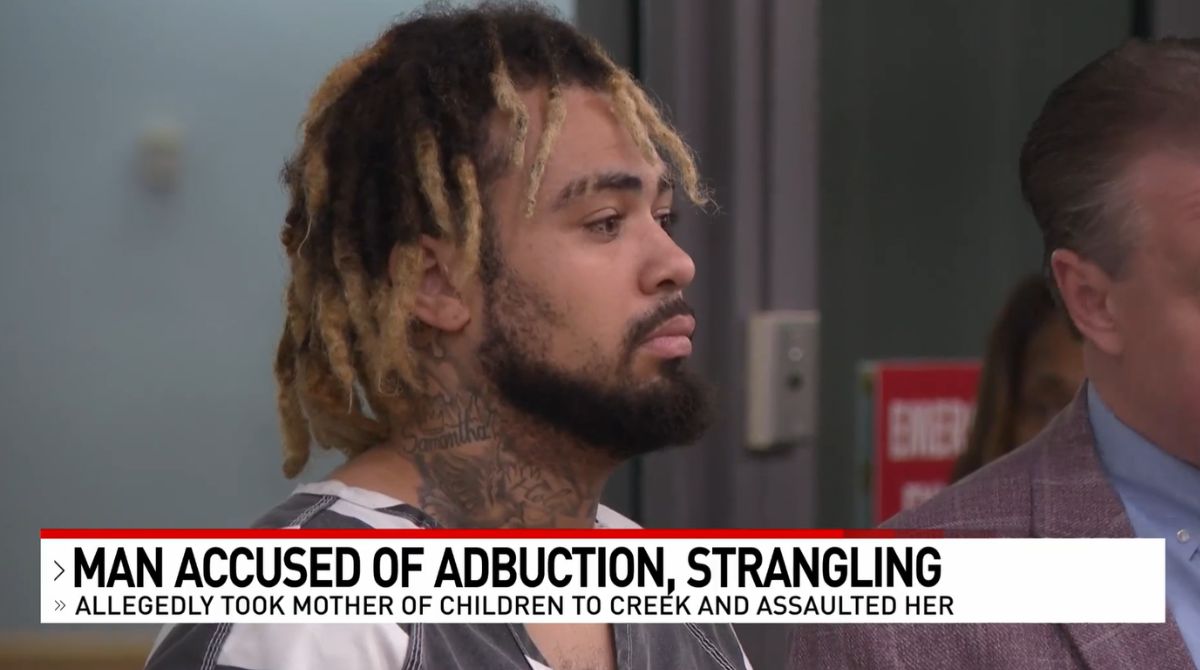
A man stands accused of abduction and attempted murder after allegedly forcing the mother of his two children into a vehicle and transporting her to a remote creek location where he strangled her until she lost consciousness, prosecutors charge.
The defendant allegedly told the victim "nobody will hear you" during the assault, according to court documents. The incident began with a verbal altercation that turned physical when the man began choking the woman with his hands, causing her to lose consciousness. The defendant then transported her to an isolated creek area, a choice of location prosecutors characterize as deliberate and predatory.
The victim's account forms the basis of serious felony charges including aggravated kidnapping and assault with intent to commit murder or great bodily harm. The decision to take the victim to a secluded location demonstrates premeditation and consciousness of guilt, prosecution arguments indicate. The statement "nobody will hear you" suggests the defendant intended to isolate the victim from potential rescue or intervention.
Cases involving domestic violence and attempted homicide between co-parents carry heightened stakes. Family courts must consider custody and safety when children remain involved. The defendant's actions place both his parental rights and personal liberty in jeopardy. Conviction on attempted murder charges typically results in substantial prison sentences in most jurisdictions.
The victim's loss of consciousness during strangulation presents medical and forensic evidence prosecutors will likely use to establish the severity of the attack and the defendant's intent to kill. Strangulation cases often involve expert testimony regarding brain injury risks and the force required to render someone unconscious.
The case reflects patterns documented in domestic violence homicide research, where isolated locations serve as settings for escalated violence. Prosecutors will need to establish that the defendant's actions were intentional and that he specifically intended to cause serious bodily harm or death.
The defendant faces potential state-level felony prosecution. Bail and bond considerations will weigh the victim