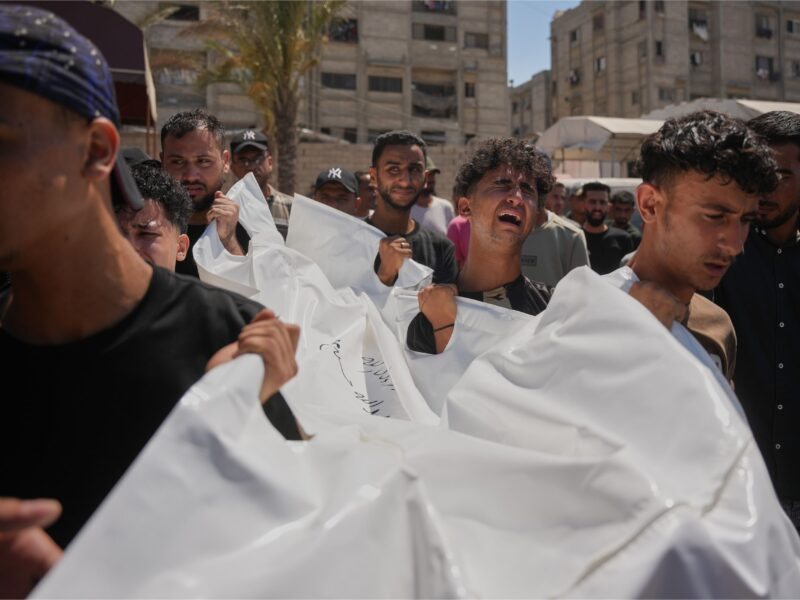
An Israeli military strike hit a tent in central Gaza, killing three people including a child, according to reports from the region. The attack occurred while a ceasefire agreement has been in place since October, though Israeli forces continue conducting near-daily military operations in the area.
The strike targeted a tent structure, suggesting civilians may have occupied the location. The death toll included at least one minor, raising questions about civilian casualty protocols and compliance with international humanitarian law during ongoing military operations.
The incident underscores the fragile nature of the ceasefire arrangement. While major combat operations have decreased since the October agreement took effect, Israeli forces maintain an active operational posture with frequent strikes across central Gaza. These operations occur within a complex legal framework governed by international humanitarian law, including the Geneva Conventions and the Rome Statute of the International Criminal Court.
Civilian casualties during armed conflict trigger scrutiny under multiple legal standards. Parties to a conflict must distinguish between combatants and civilians, proportionally assess military advantage against civilian harm, and take precautions to minimize non-combatant deaths. The targeting of a tent structure raises factual questions about whether the strike met these obligations.
The incident reflects broader accountability concerns in the Gaza conflict. Various human rights organizations and international bodies have documented civilian casualties and alleged violations of the laws of war. These allegations have prompted calls for investigations by the International Criminal Court and the United Nations Human Rights Council, though enforcement mechanisms remain limited.
For the civilian population in Gaza, the continuation of near-daily strikes despite the ceasefire creates ongoing humanitarian and security risks. For Israel, each strike operation involves legal analysis regarding military necessity, target identification, and proportionality assessments under the laws of armed conflict. The killing of a child particularly invites scrutiny of whether proper precautions occurred to protect civilians, especially minors.