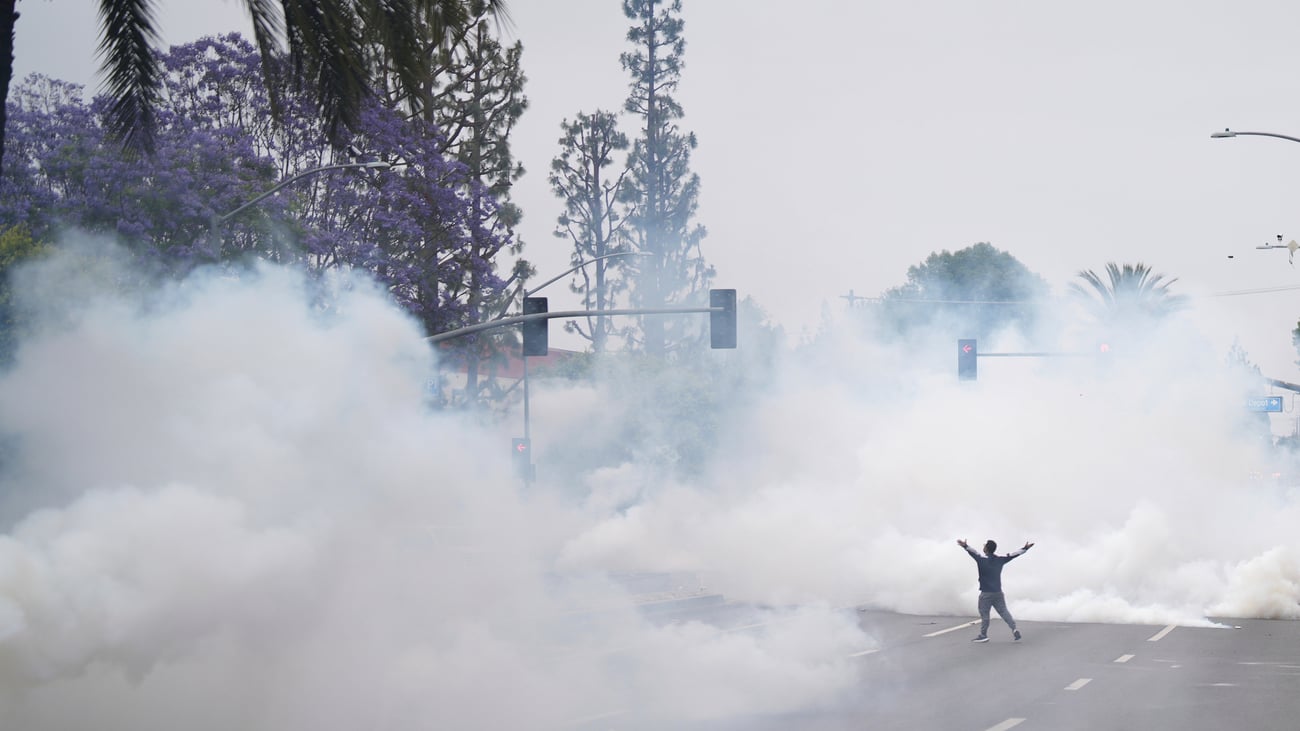
A federal judge in California granted class certification to journalists suing the Department of Homeland Security over a 2017 immigration enforcement protest crackdown in Southern California. The decision permits the case to proceed as a class action rather than individual litigation.
The judge found that DHS "treats the mere public recording of its agents as a threat" and responds with violence to journalists documenting enforcement operations. This finding establishes a pattern of conduct central to the class members' claims.
The certified class includes all journalists and press observers subjected to physical force, threats, or interference by DHS agents while lawfully recording immigration enforcement activities in Southern California between specific dates. Class certification requires the judge to determine that common questions of law and fact predominate over individual issues and that a class action provides the superior method for adjudication.
The ruling carries substantial implications for First Amendment protections. It signals judicial skepticism of DHS tactics toward press documentation of government operations. Journalists possess a constitutional right to record public officials conducting government business in public spaces. When agencies obstruct this reporting through force or intimidation, they potentially violate First Amendment rights and civil rights statutes.
The decision also pressures DHS to establish clearer protocols distinguishing between legitimate law enforcement and interference with lawful recording. Class certification makes the litigation economically viable for individual plaintiffs and creates incentive for settlement negotiations.
This case reflects broader tensions between federal immigration enforcement and press freedom. Similar incidents have occurred nationally, with journalists arrested or assaulted while covering ICE operations. The Southern California class action potentially addresses systemic patterns rather than isolated incidents.
The lawsuit proceeds under various legal theories likely including First Amendment retaliation claims, civil rights violations under 42 U.S.C. Section 1983, and possibly assault and battery under state law. Discovery will examine DHS training, policies, and incident reports related to interactions with media.