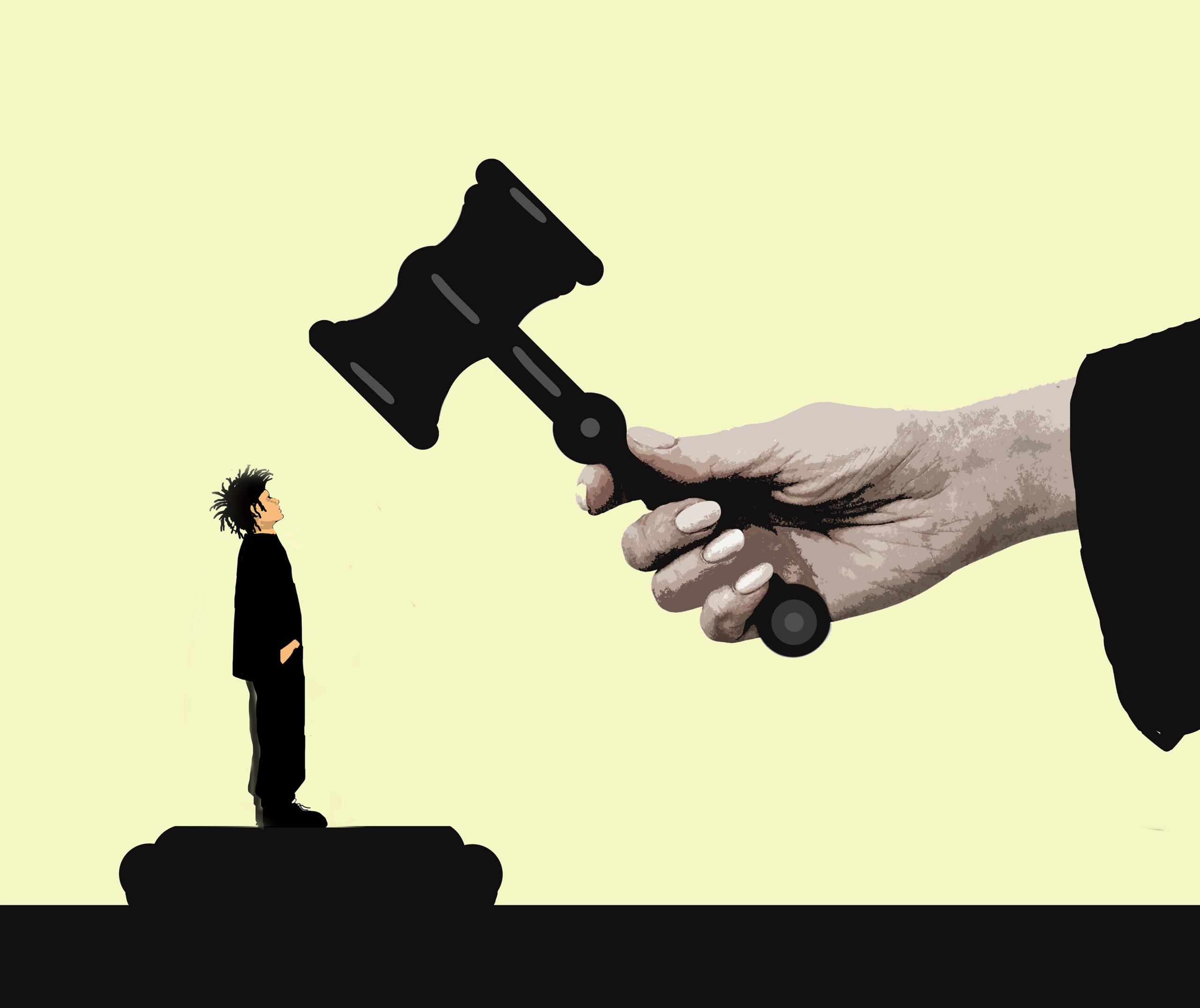
An appellate court imposed $10,000 in sanctions against a party for filing errors caused by artificial intelligence tools, marking a judicial warning about inadequate oversight of AI-generated legal documents.
The court found that the filing party relied on AI systems without sufficient human review and verification. The errors in the filing violated procedural rules and court standards for document submission. The party failed to catch mistakes that a competent attorney should have identified before submission.
This decision establishes precedent for attorney accountability when using generative AI in legal work. Courts expect lawyers to verify all AI-generated content for accuracy, legal sufficiency, and compliance with rules of court. The sanctions signal that simply delegating work to AI tools does not absolve attorneys of their professional obligations to clients and the court system.
The ruling applies to federal appellate practice and carries weight across circuits. State courts are watching similar cases closely. Bar associations in multiple jurisdictions have issued guidance requiring attorneys to understand AI tools they use and to maintain quality control over all work product before filing, regardless of whether humans or machines generated the initial draft.
The practical impact extends beyond this single case. Law firms now face increased risk exposure when junior attorneys use AI without senior partner review. Solo practitioners and small firms relying on AI for document generation face particular pressure to implement robust checking procedures. Malpractice insurers have begun asking about AI usage protocols during policy reviews.
Courts are not banning AI use in legal practice. They are demanding transparency and competence. Attorneys must disclose when they used AI tools and demonstrate they reviewed the output. Continuing legal education requirements increasingly include AI training modules focused on quality assurance.
The $10,000 sanction represents a measured penalty designed to deter careless AI usage without crushing innovation in legal technology. Future courts will likely increase sanctions amounts if misconduct escalates. This decision provides clear notice that courts view AI-generated work to the same professional