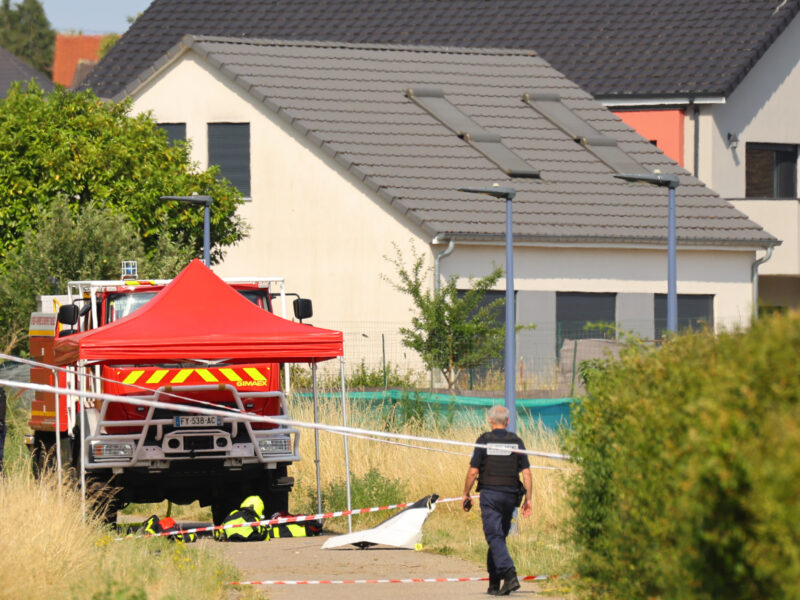
A skydiving aircraft crashed in northeastern France, killing all 11 people aboard the plane. Interior Minister Laurent Nunez confirmed the fatality count and noted that relatives of some victims witnessed the crash directly, creating severe psychological trauma for those families.
The incident occurred during a skydiving operation in the region. French authorities launched an investigation into the cause of the crash. Nunez stated that emergency responders faced an emotionally charged scene given that family members had observed the aircraft descending uncontrollably before impact.
No additional details about the aircraft type, operator, or mechanical failures emerged in initial reports. French aviation authorities typically conduct crash investigations involving civilian aircraft, working with the Bureau of Enquiry and Analysis for Civil Aviation Safety (BEA).
The crash raises questions about safety protocols at the skydiving operation and the aircraft's maintenance history. French regulations governing skydiving operations fall under the Direction Générale de l'Aviation Civile (DGAC). Families of deceased passengers may pursue wrongful death claims against the operator or aircraft manufacturer, depending on investigation findings.
The psychological impact on witnesses, particularly family members present at the jump site, underscores the human toll of aviation accidents. Nunez's public acknowledgment of trauma suggests French authorities recognize potential civil liability claims and emotional distress damages that surviving family members may assert.
Aviation accidents involving skydiving operations often result in regulatory scrutiny. If mechanical failure caused the crash, the manufacturer faces potential product liability exposure. If pilot error or operator negligence contributed, the skydiving company and its insurance carriers face substantial liability.