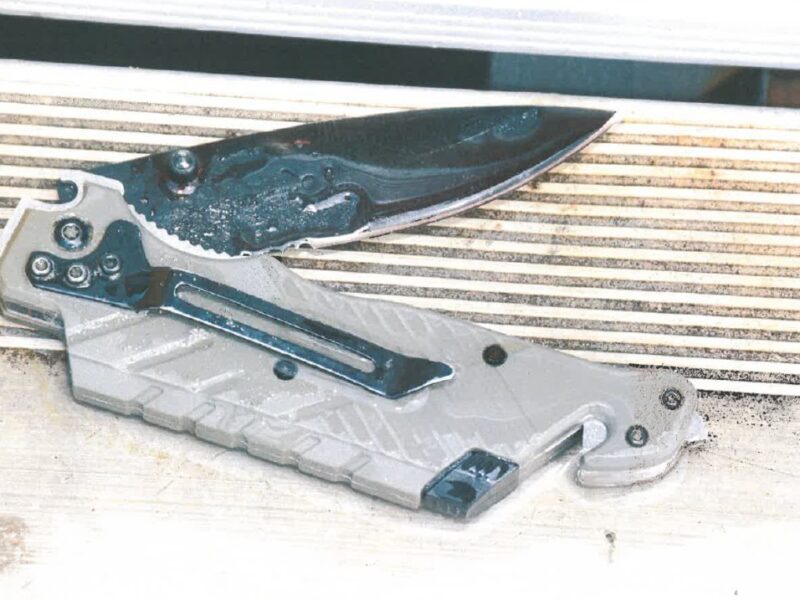
Judge John Roach Jr. of Texas ordered the release of graphic evidence from the murder trial of Karmelo Anthony, including photographs of the murder weapon, autopsy images, and surveillance footage capturing Anthony fleeing the crime scene. The video shows Anthony tripping and falling over bleachers during his escape.
The disclosure of this evidence reflects standard pretrial discovery procedures in criminal cases, where prosecutors and defense counsel must share materials relevant to guilt or innocence. Texas courts apply a balancing test when deciding whether to seal sensitive evidence. Judges weigh the public's right to access judicial records against privacy interests and the risk of prejudicial publicity.
Judge Roach's decision to unseal the materials indicates the court found the public interest in transparency outweighed countervailing concerns. The release of autopsy photos and weapon images raises questions about whether Anthony's defense team will argue the evidence prejudices jurors or whether the footage could support a self-defense claim or challenge to witness identification.
The surveillance video carries particular evidentiary weight. Flight from a crime scene constitutes consciousness of guilt under Texas Penal Code Section 38.02 and can corroborate witness testimony about Anthony's presence at the scene. However, defense counsel may argue the footage shows panic rather than culpability, or that innocent explanations exist for Anthony's movements.
Public access to murder trial evidence serves transparency interests and allows media scrutiny of prosecution decisions. However, the release of autopsy photos creates reputational concerns for victims' families and raises ethical questions about the necessity of disclosure versus victim privacy protections under Texas Crime Victims' Rights Act.
The case will proceed with both sides now armed with identical documentary evidence. Anthony's legal team can use the surveillance footage to mount challenges on cross-examination or file pretrial motions alleging insufficient corroboration. The unsealing suggests the court found no basis to restrict public access under state common law or