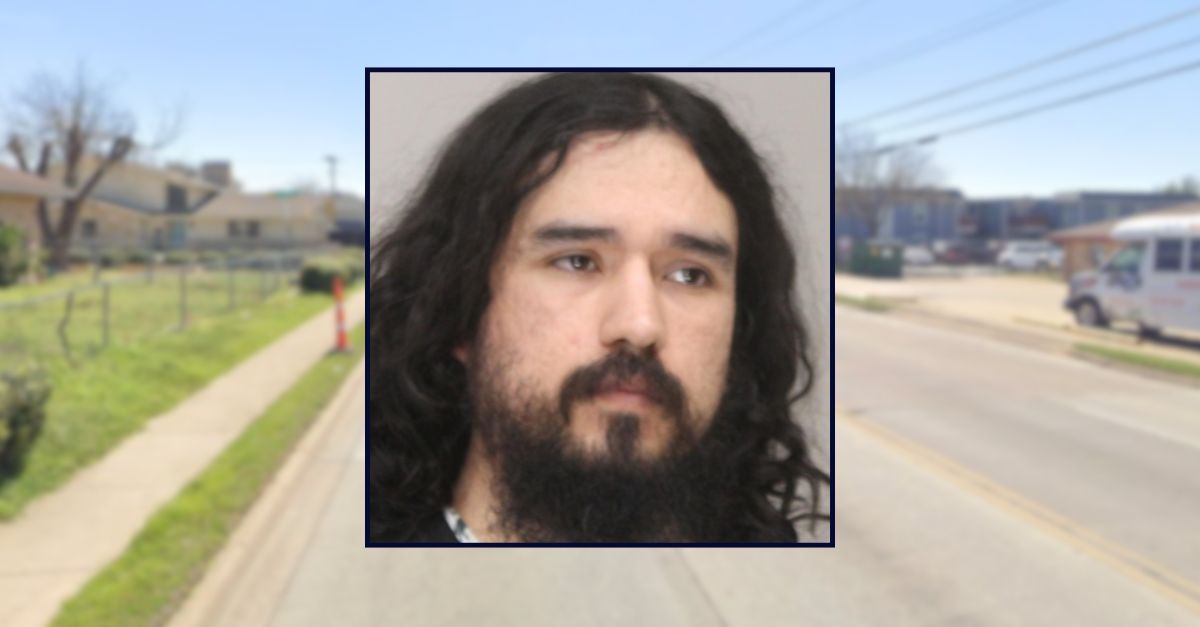
A man attacked his sleeping father with a knife, killing him on an air mattress in what authorities characterize as a deliberate homicide. Police reports indicate the defendant claimed his father was "killing people and hurting kids," though investigators found no evidence supporting those allegations.
The defendant's stated motive centers on a desire to "stop his existence," according to law enforcement accounts. The attack occurred while the victim lay sleeping on an air mattress, rendering him defenseless during the assault. Officers discovered no factual basis for the accusations the defendant leveled against his father.
The case presents serious questions about mental state and potential insanity defenses. The defendant's claims about his father's conduct lack corroboration from police investigation. This disconnect between the defendant's beliefs and observable reality may bear on his competency to stand trial and his mental condition at the time of the offense.
Charges in such cases typically include murder or manslaughter, with sentencing determinations hinging on factors including premeditation, deliberation, and mitigating circumstances. The prosecution will likely emphasize the defendant's deliberate choice to arm himself with a knife and attack a vulnerable, sleeping victim. Defense counsel may pursue arguments based on mental illness, delusional thinking, or diminished capacity.
The case reflects the intersection of criminal homicide law and mental health issues. Many jurisdictions recognize affirmative defenses based on insanity, though these require proof that the defendant could not appreciate the nature or wrongfulness of his conduct due to mental disease or defect. The defendant's articulated fear of his father's supposed crimes could support such arguments, depending on whether a mental health examination confirms active delusions or psychotic symptoms.
Jurisdictional laws governing burden of proof, affirmative defenses, and sentencing ranges will determine the ultimate legal outcome. Family homicides frequently generate reduced sentences where mental illness plays a documented role, though intentional