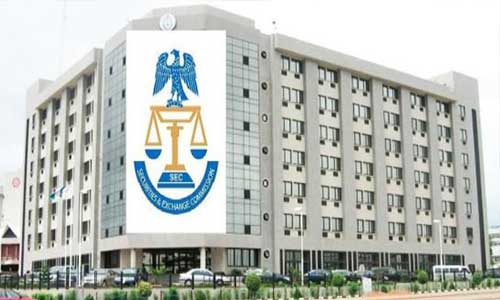
Nigeria's Securities and Exchange Commission issued an immediate asset freeze order targeting thirteen entities across the country's capital markets on terrorism financing grounds. The action followed the designation and blacklisting of ten individuals and three entities under Nigeria's sanctions framework.
The SEC's compliance directive, titled "Commission's sweeping compliance directive issued to capital market operators," requires all capital market participants to implement the freeze without delay. The order applies to entities previously designated by Nigerian authorities as linked to terrorist financing activities.
This enforcement action represents a coordinated compliance effort between Nigeria's financial regulators and sanctions authorities. Capital market operators received explicit instructions to cease all transactions involving the frozen entities and to report compliance measures to the SEC.
The asset freeze mechanism functions as a preventative control, blocking suspected terrorist financiers from accessing Nigerian capital markets and moving assets through securities trading, investment funds, and related financial instruments. This regulatory intervention disrupts potential money laundering pathways that terrorists or their supporters might otherwise exploit.
Nigeria faces persistent terrorism threats from groups including Boko Haram and splinter factions operating primarily in the northern regions. Terrorist financing investigations have revealed sophisticated networks attempting to move funds through legitimate financial channels. The SEC action targets this vulnerability by restricting market access for designated persons and entities.
The compliance directive imposes obligations on all licensed capital market operators, including stockbrokers, investment advisers, custodians, and fund managers. These entities must conduct enhanced due diligence on their client base, cross-reference account holders against sanctions lists, and implement transaction monitoring systems to detect suspicious activity involving the frozen accounts.
Violations of the asset freeze order carry regulatory and potentially criminal penalties under Nigerian law. The SEC possesses enforcement authority over licensed market participants and can impose fines, license suspension, or revocation for non-compliance.
This action aligns with international standards established by the Financial Action Task Force, which requires countries to implement targeted financial sanctions against designated terrorists and terrorist