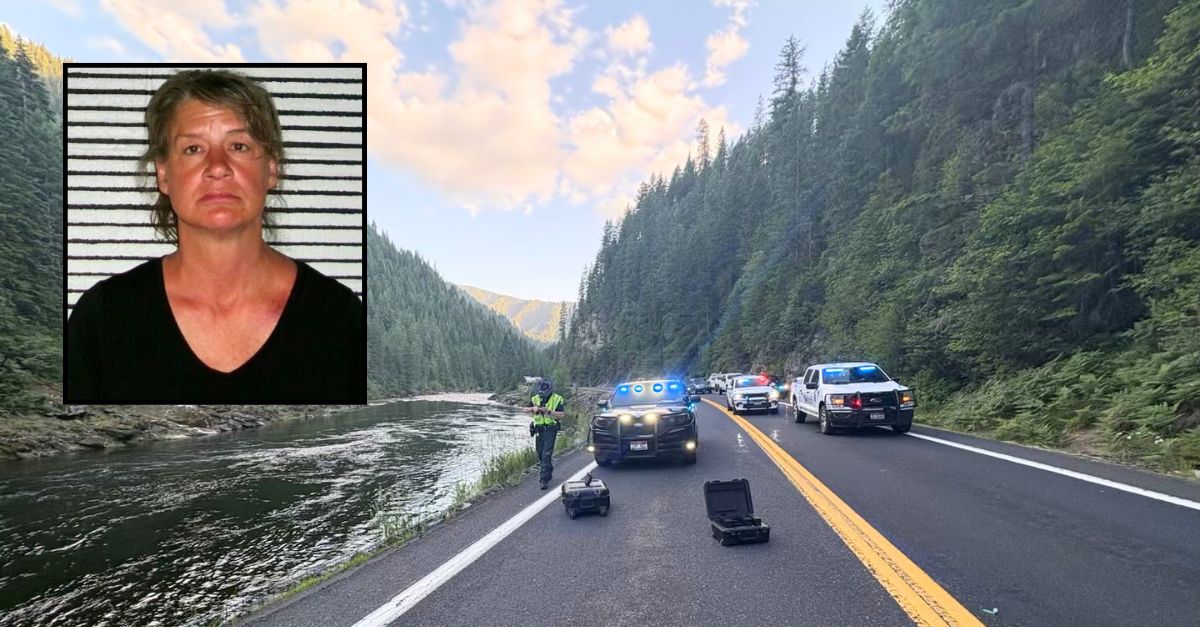
A woman faces criminal charges after hitting three motorcyclists with her Ford F-150 while attempting to pass another vehicle in a no-passing zone on an Idaho highway. The incident occurred when the driver crossed the center line in a restricted passing area, striking the motorcycle riders head-on.
The driver's decision to pass in a no-passing zone violated Idaho traffic code and directly created the dangerous conditions that led to the collision. No-passing zones exist on roadways where visibility or road conditions make such maneuvers exceptionally hazardous. By ignoring this restriction, the driver substantially increased the risk of head-on collision with oncoming traffic.
Prosecutors will likely charge the driver with negligent driving or reckless driving under Idaho Code Section 49-1401, which prohibits operation of a vehicle in a manner that endangers persons or property. The prosecution must establish that the driver acted with conscious disregard for safety or knew the conduct created substantial risk of harm. The presence of a no-passing zone strengthens the prosecution's case by demonstrating the driver knew or should have known the area was unsafe for passing maneuvers.
The three motorcyclists sustained injuries in the collision. The severity of those injuries determines the range of charges. If injuries prove serious, prosecutors may file felony charges under Idaho Code Section 49-1402, which addresses aggressive driving and can result in enhanced penalties.
This case reflects a broader traffic safety issue. No-passing zones account for approximately 10 percent of highway miles yet witness disproportionate accident rates. Studies show drivers who violate these restrictions face collision risks four times higher than normal highway driving.
The driver's insurance liability appears clear given the violation of traffic law and the causation chain between the illegal passing maneuver and the resulting injuries. Civil liability will follow criminal proceedings, exposing the driver to substantial damages claims from the injured motorcyclists. Depending on