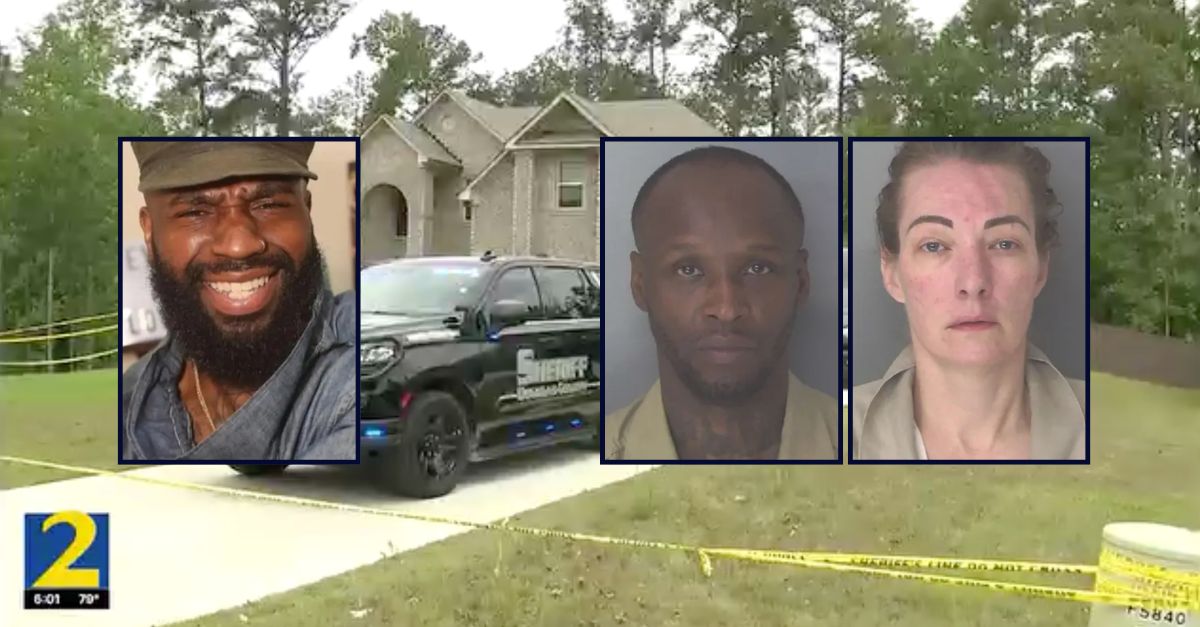
A couple stands accused of murdering a bartender, dismembering the body, and disposing of remains in a reservoir. Authorities allege the defendants killed the victim and then systematically scattered body parts across a water system, complicating recovery efforts and preventing a complete funeral for the victim's family.
The victim's father expressed devastation over the crime's brutality and the defendants' apparent indifference. He stated the family cannot conduct a traditional funeral due to the incomplete recovery of remains. His quote reflects the emotional toll such crimes inflict on families beyond the loss of life itself.
The case involves serious felony charges including murder and abuse of a corpse. Prosecutors will need to establish the defendants' intent and deliberate actions at trial. The disposal of remains across a body of water presents investigative challenges. Authorities must recover fragmented evidence, establish a timeline of the crime, and connect physical evidence to the defendants.
Dismemberment cases often hinge on forensic evidence, witness testimony, and digital records. Phone locations, surveillance footage, and autopsy results typically form the evidentiary backbone. The prosecution must prove premeditation and deliberation for murder convictions, distinguishing this from manslaughter charges.
The abuse of a human corpse charge carries separate legal consequences. Many jurisdictions recognize this offense distinct from murder itself, punishing the desecration and improper treatment of the deceased. Some states classify it as a felony; others as a misdemeanor depending on aggravating factors.
The defendants' apparent lack of remorse, as noted by the father, may factor into sentencing arguments if convictions follow. Courts often consider defendant behavior and attitude during proceedings when determining penalties within statutory ranges. Life sentences or capital charges remain possible depending on the jurisdiction and specific facts.
This case underscores how violent crime extends suffering beyond the victim to grieving families denied closure through proper burial rites and