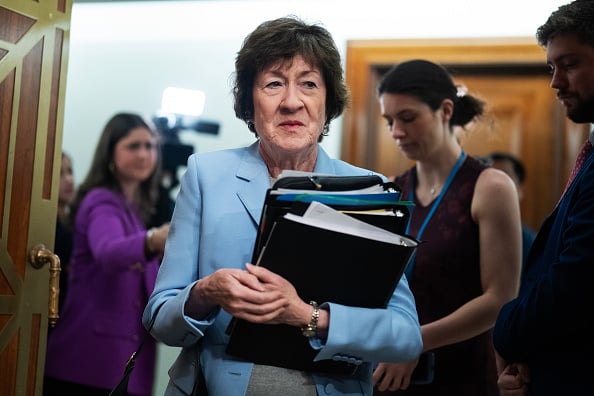
The Supreme Court emerged as a central issue in midterm election campaigns, forcing lawmakers to defend their positions on major court decisions and judicial philosophy. A senator faces particular pressure to justify a controversial vote, likely relating to a high-profile Supreme Court ruling or judicial nomination that energized voters across party lines.
The politicization of the Supreme Court reflects broader debate over the institution's role in American governance. Recent decisions on abortion rights, voting access, gun regulation, and religious liberty have transformed the Court into an electoral flashpoint. Candidates must now articulate clear positions on whether the Court has overreached, whether justices should face term limits or court-packing measures, and how judicial appointments should proceed.
This dynamic carries practical consequences for 2024 and beyond. Voters increasingly prioritize Supreme Court composition when casting ballots. Democrats mobilized heavily around abortion access following the Dobbs decision overturning Roe v. Wade. Republicans emphasized Second Amendment protections and religious freedom victories. Each side views Court reform or preservation as existential.
For sitting legislators, defending past votes becomes unavoidable. A senator who supported a justice's confirmation must explain why that justice's rulings align or misalign with constituent values. Those who voted against nominees face questions about judicial obstruction. No position escapes scrutiny.
The Court's elevation to centerpiece status reflects the judiciary's expanded role in resolving issues traditionally handled by legislatures. When Congress deadlocks on abortion, gun rights, or voting standards, the Supreme Court fills the vacuum. This institutional imbalance makes Court decisions campaign issues by necessity.
Election 2024 and beyond will likely hinge partly on judicial accountability. Candidates promoting term limits, Court expansion, or stricter confirmation standards will compete against those defending judicial independence and stability. The senator's required defense exemplifies this new electoral reality where judicial philosophy matters as much as traditional economic or foreign policy positions.