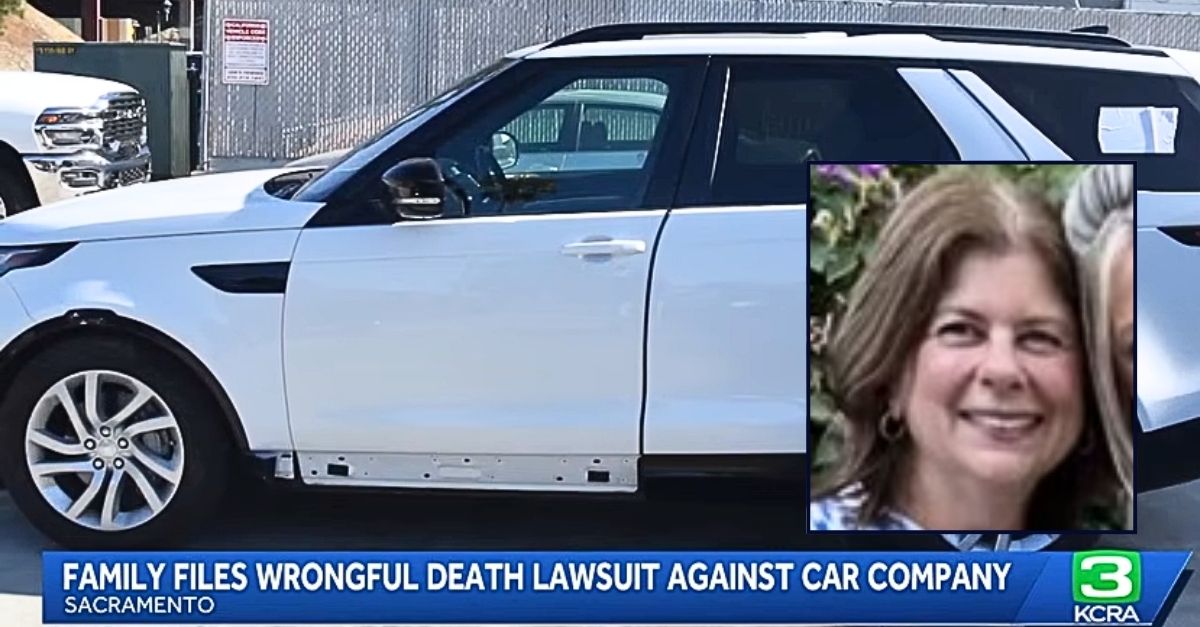
A wrongful death lawsuit filed in California alleges that a 2020 Land Rover Discovery malfunctioned and killed Sue Rooney, a 70-year-old Sacramento resident, on May 15. According to the family's legal complaint, the SUV spontaneously began moving in reverse while parked in the driveway of Rooney's daughter, striking and fatally injuring her.
The lawsuit names Land Rover and the vehicle manufacturer as defendants, claiming the Discovery suffered a mechanical failure rather than operator error. The family contends the vehicle's transmission or engine control systems engaged without driver input, causing the vehicle to accelerate backward. Such claims typically center on alleged defects in electronic control modules, brake systems, or transmission programming that manufacturers must disclose under federal safety regulations.
Product liability cases against automakers require plaintiffs to establish that the vehicle contained a defect at the time of sale, that the defect caused injury, and that the manufacturer either knew or should have known about the condition. Courts examine whether the defect rendered the vehicle unreasonably dangerous compared to a reasonable consumer's expectations.
The National Highway Traffic Safety Administration tracks complaints about unintended acceleration and transmission failures. Claims involving sudden reverse engagement have emerged in litigation against major manufacturers, often focusing on electronic throttle control systems or transmission software.
Land Rover, a subsidiary of Jaguar Land Rover, faces potential liability under California's strict liability doctrine and negligence theories. The manufacturer could face punitive damages if evidence shows it concealed knowledge of similar defects affecting other Discovery models.
Discovery owners should report any instances of unintended movement to NHTSA through its online complaint database. These reports help regulators identify patterns triggering safety investigations or recalls. Families pursuing similar claims should preserve vehicle data, maintenance records, and any service bulletins issued by the manufacturer, as these documents establish notice of defects.
The