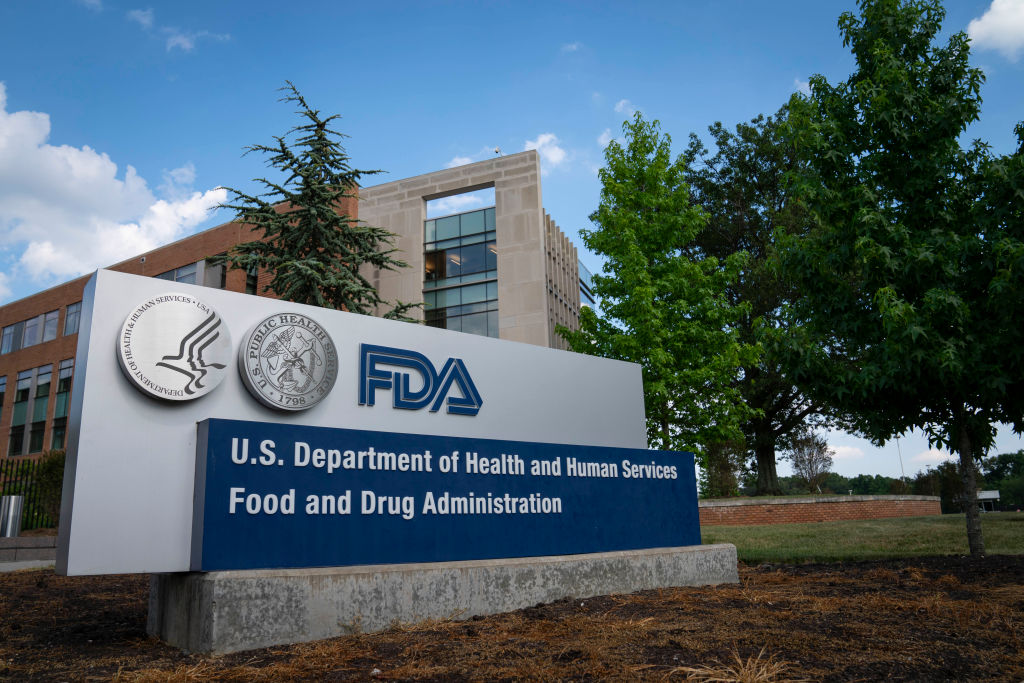
The FDA reversed its prior decision and approved uniQure's gene therapy for a rare disease, marking another instance of the agency relaxing its regulatory posture toward innovative treatments targeting orphan conditions.
uniQure, a Dutch biotechnology company, secured FDA reconsideration of its gene therapy candidate after initial rejection. The reversal reflects a broader shift within the agency toward greater flexibility in evaluating breakthrough treatments for rare diseases where patient populations remain small and traditional drug development pathways prove impractical.
This approval joins a recent string of gene therapy authorizations and regulatory reconsiderations by the FDA. The agency has increasingly embraced expedited review pathways, including breakthrough designation and accelerated approval, to bring transformative therapies to patients with limited treatment options faster.
The significance extends beyond uniQure. The pattern demonstrates the FDA's recalibration following years of stricter scrutiny that delayed or blocked gene therapy candidates. Rare disease advocates pushed back against stringent safety and efficacy standards that, while protective, excluded patients from potentially life-altering treatments. The agency has responded by refining its risk-benefit analysis framework, particularly for conditions with no approved alternatives.
For biotechnology companies, the shift creates clearer pathways to commercialization. Gene therapies addressing neurodegenerative disorders, inherited metabolic diseases, and other rare conditions now face less regulatory friction at pre-submission conferences and during formal review periods.
However, the reversal carries nuance. Regulatory flexibility does not mean abandonment of safety standards. The FDA continues requiring robust clinical evidence, manufacturing controls, and post-market surveillance commitments. Companies must navigate streamlined timelines without sacrificing data quality.
For patients with rare diseases, the implications prove tangible. Faster approvals mean earlier access to treatments that address unmet medical needs. Yet pricing and insurance coverage remain separate obstacles that regulatory approval does not resolve.
The