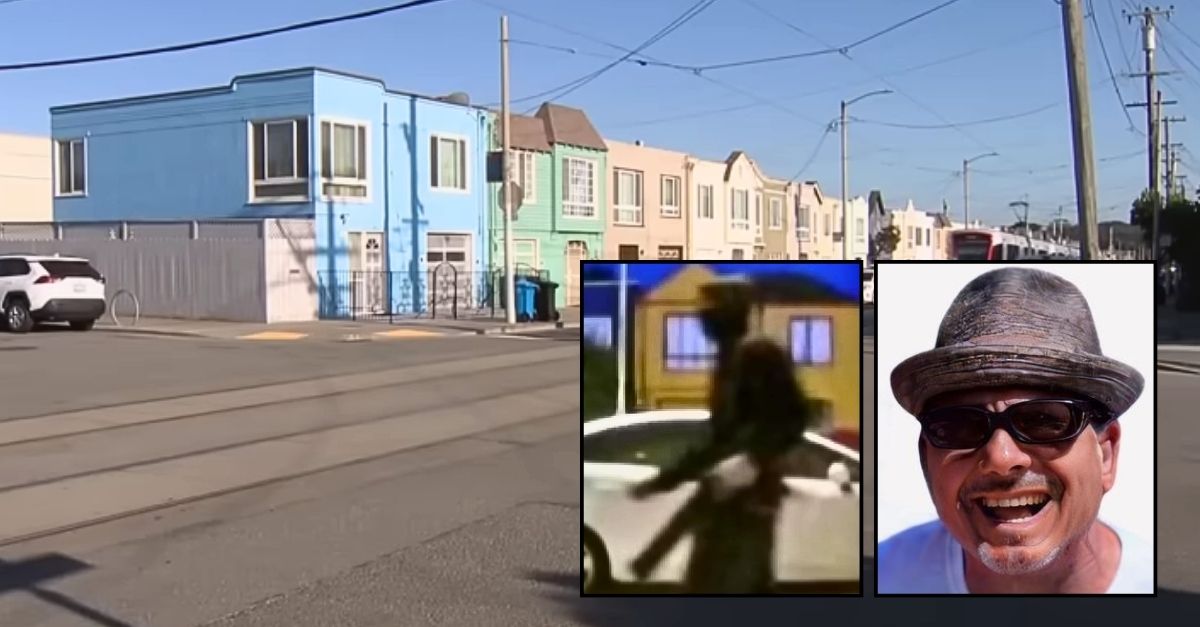
A California landlord faces civil liability for allegedly murdering his tenant to clear the property for sale, according to a wrongful death lawsuit. The landlord allegedly set fire to a vehicle parked on the property, then shot the tenant with a MAC-10 submachine gun when the victim emerged to extinguish the flames.
The lawsuit characterizes the landlord's conduct as "extraordinarily callous." After the shooting, the defendant allegedly approached the victim's family to offer condolences while simultaneously asking the victim's son when he would vacate the premises. This sequence of events reveals the landlord's motive: removing the tenant to facilitate a property sale.
The case involves federal firearms violations given the MAC-10's status as a fully automatic weapon. The deliberate staging of the fire to draw the victim outside suggests premeditation. The landlord's subsequent contact with the family compounds the legal exposure by demonstrating consciousness of guilt and callous disregard for the family's grief.
Civil wrongful death actions proceed independently from criminal prosecution. The plaintiff bears the burden of proving liability by a preponderance of the evidence, a lower standard than criminal guilt beyond reasonable doubt. Damages in such cases typically include economic losses (medical expenses, lost earnings potential) and non-economic damages (pain and suffering, loss of companionship).
The landlord's wife allegedly participated in the shooting, exposing her to joint and several liability. Both defendants face potential punitive damages given evidence of intentional, malicious conduct motivated by financial gain.
California Government Code Section 12953 prohibits retaliatory conduct by landlords, including actions intended to force tenant departure. This statute provides statutory grounds for liability beyond traditional tort theory.
The case illustrates how property disputes can escalate to violent extremes. Prosecutors will determine whether to bring criminal charges, while the civil suit proceeds to recover damages for the victim's family. The landl